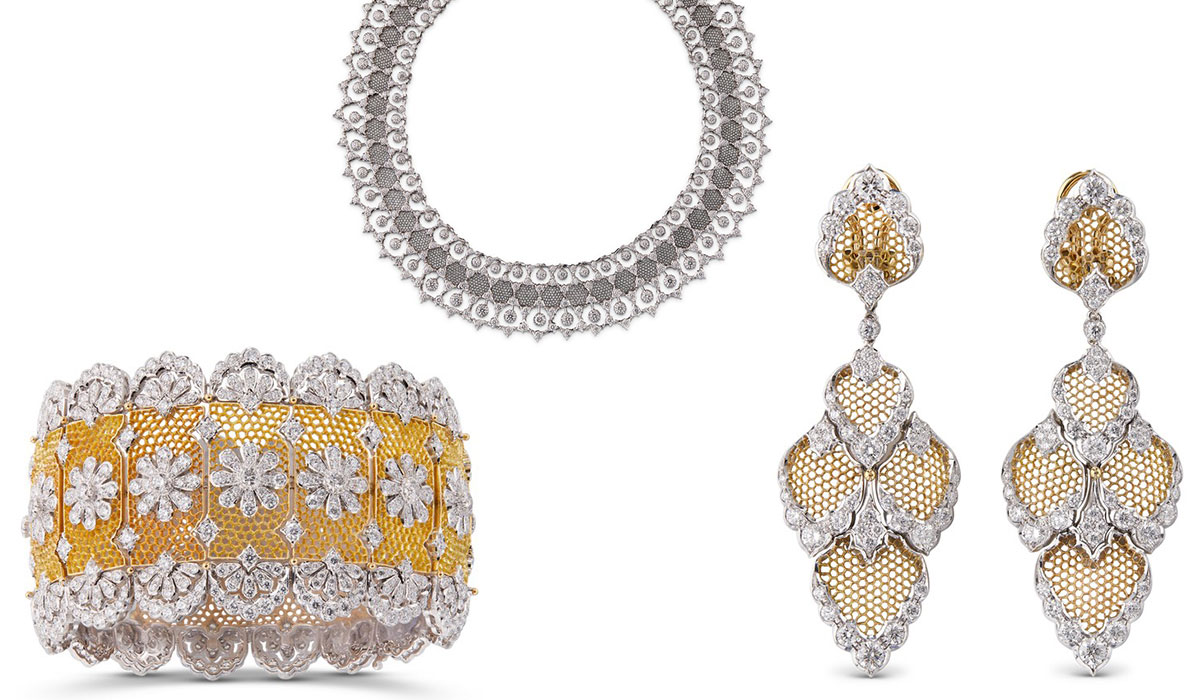
There is a sound that Venice makes when nobody is looking: the soft click of a needle passing through thread in a Burano workshop, a rhythm that has not changed in five hundred years. This summer, in the middle of Paris Haute Couture Week, that same rhythm resurfaced somewhere entirely unexpected: in gold, in the hands of Buccellati’s master goldsmiths, in a collection so delicate it seemed to breathe. Its name is “Serenissima,” and it may be the most tender love letter a jewelry Maison has ever written to a city.
A Republic Reborn in Gold
The name itself is a history lesson. For centuries, Venice was known as the “Serenissima Repubblica,” the Most Serene Republic, a title earned through prosperity, independence and a peaceful influence that made it a beacon of art and culture unlike anywhere else in the world. Buccellati’s choice to reclaim that name is not decorative. It is a declaration of intent: this collection would not simply reference Venice, it would try to embody the very spirit that once made the lagoon city untouchable.
That spirit, for the Maison, has always had one particular source: Burano, the small island in the Venetian lagoon famous for its needle lace since the sixteenth century. Mario Buccellati, the house’s founder, was captivated from his earliest days by the impossible fineness of that lace and spent a lifetime trying to translate its lightness, its transparency and its grace into jewelry. Serenissima is, by the Maison’s own account, the fullest expression of that obsession yet.
Where a Saw Becomes a Needle
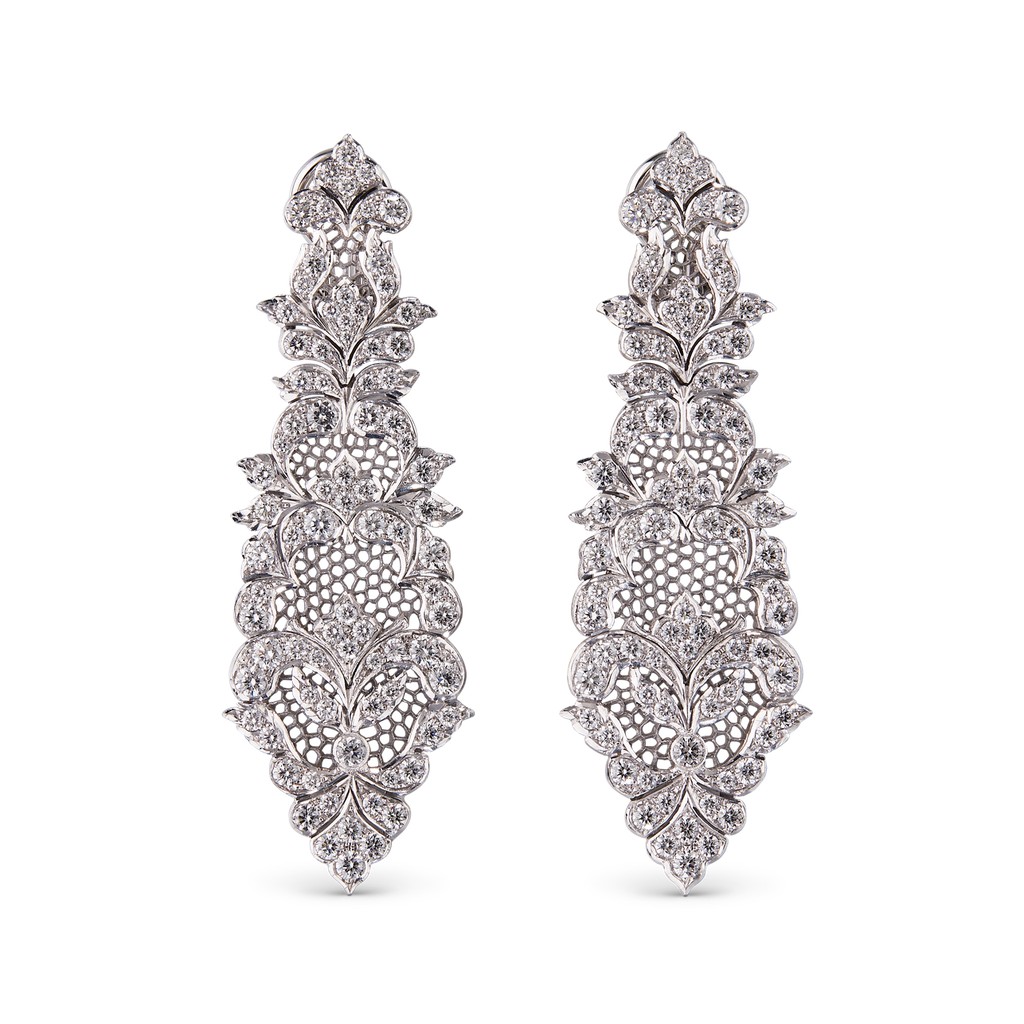
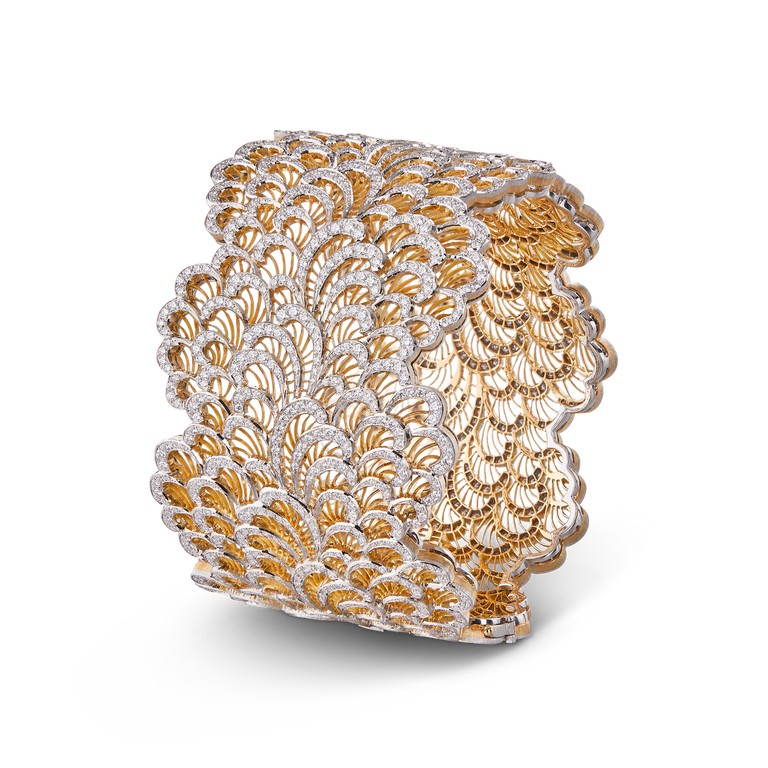
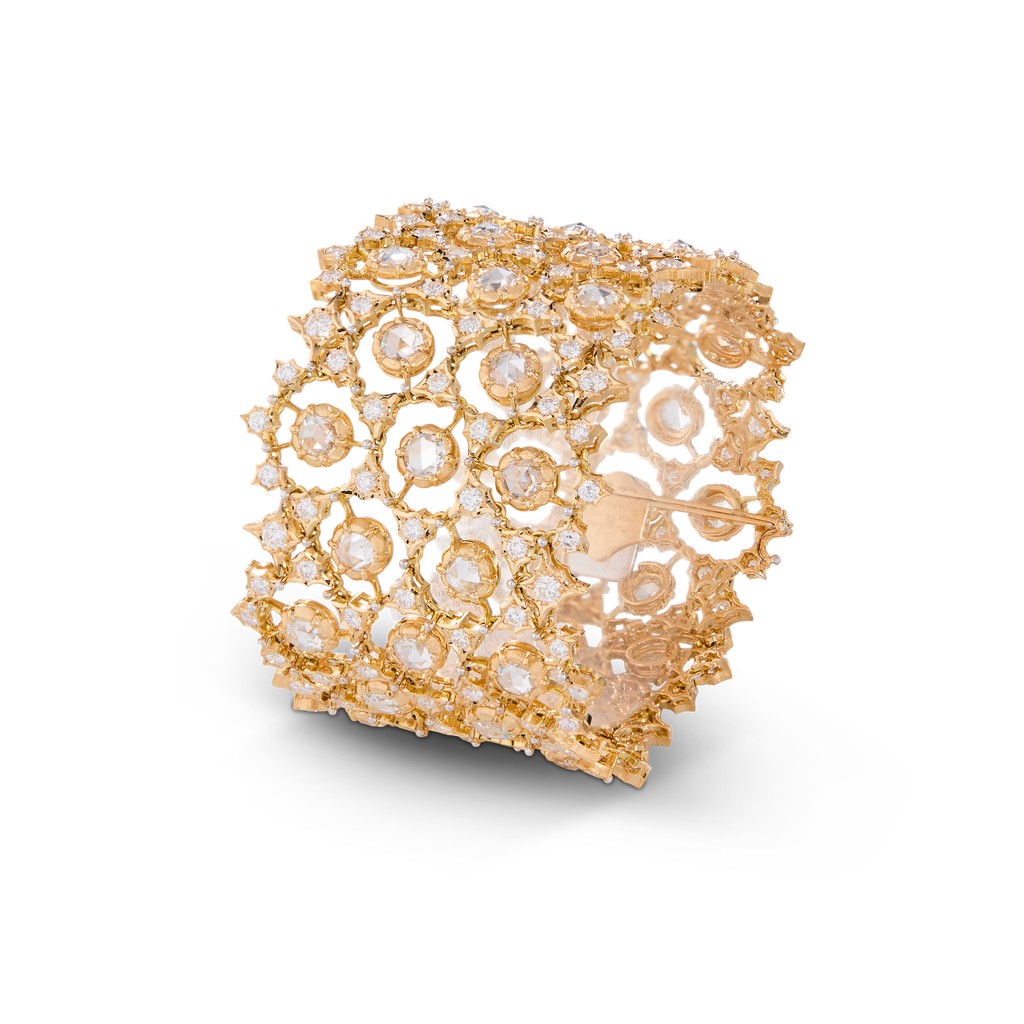
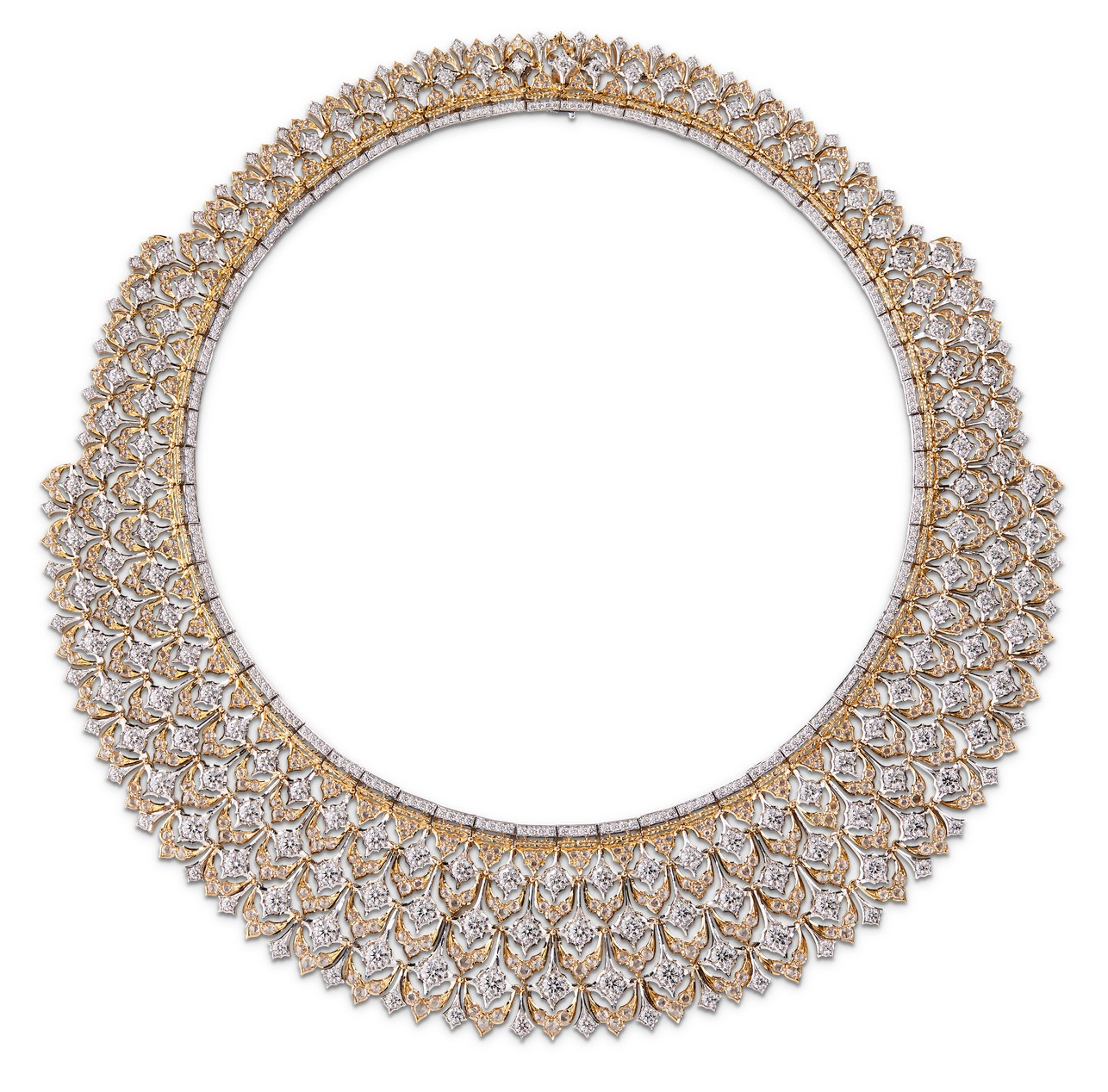
What makes Serenissima extraordinary is not only its aesthetic, but the sheer audacity of its technique. Gold, here, is asked to behave like thread. Buccellati’s goldsmiths take the ajouré, or openwork technique, to a level of virtuosity rarely seen, using nothing more than a hand saw to carve each opening into the metal, gesture by gesture, exactly as a Burano lacemaker ties one stitch to the next. The result is a metal so pierced, so fluid, that it forgets it is metal at all, draping over the skin with the same softness as the lace it honors.
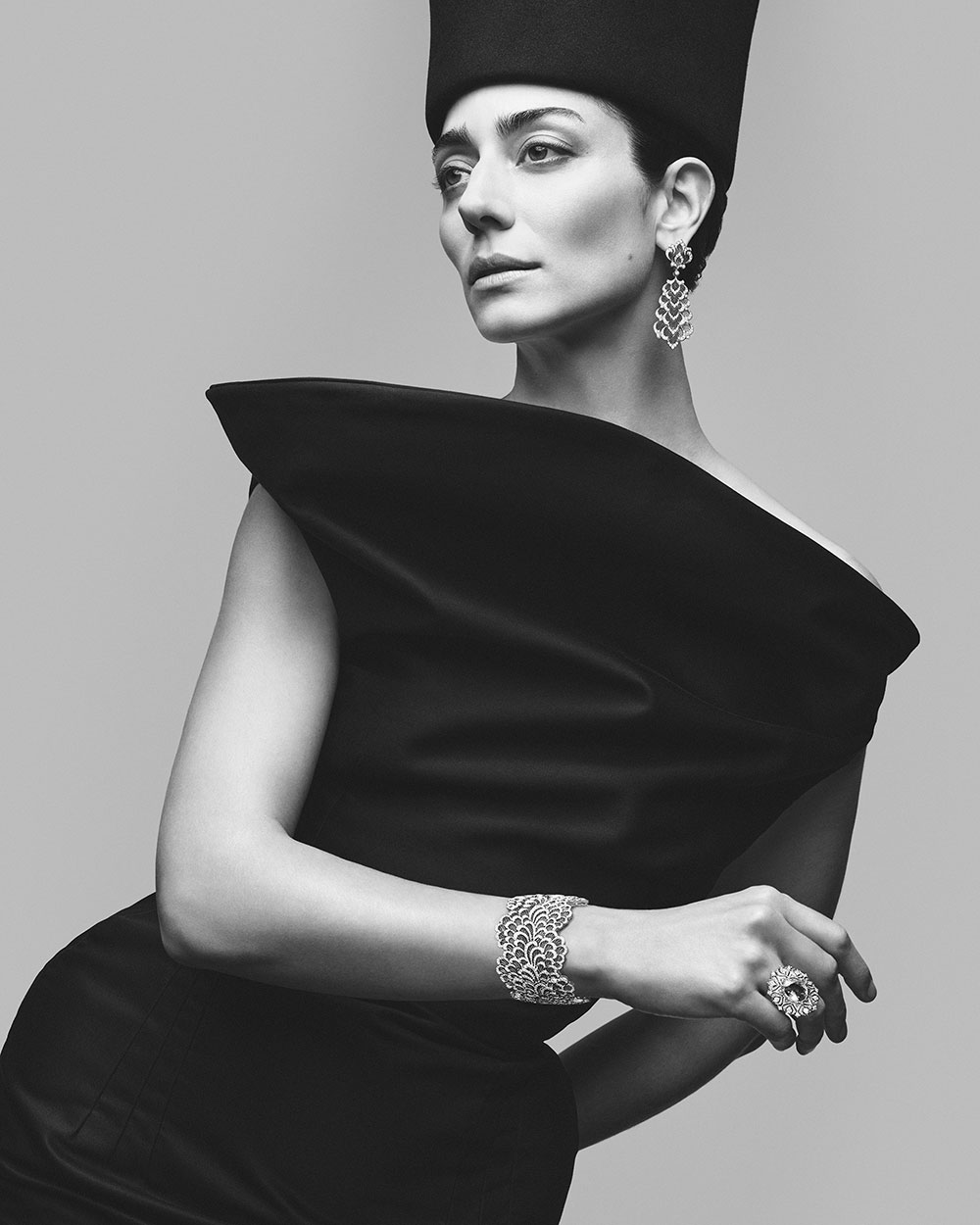
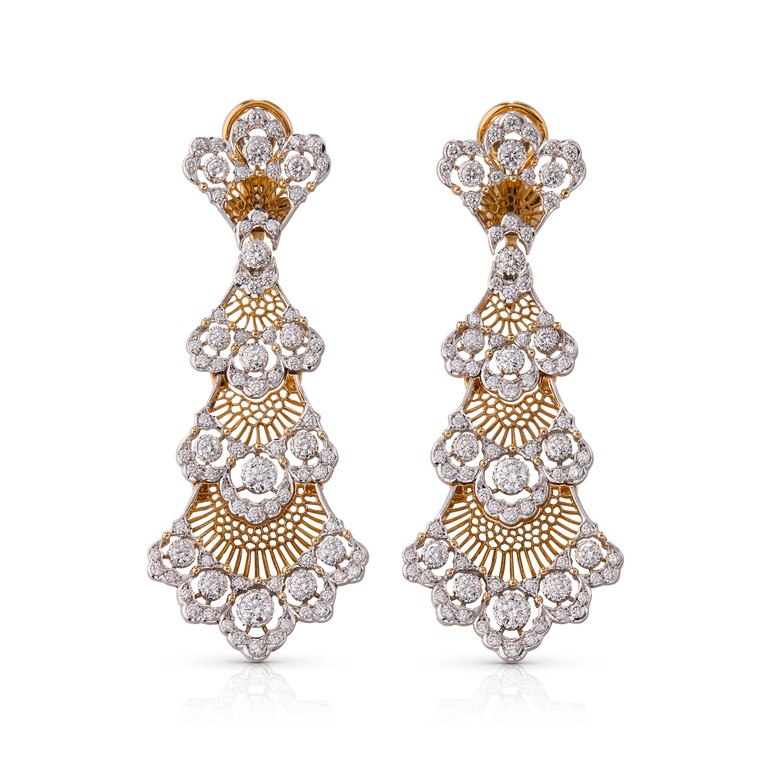
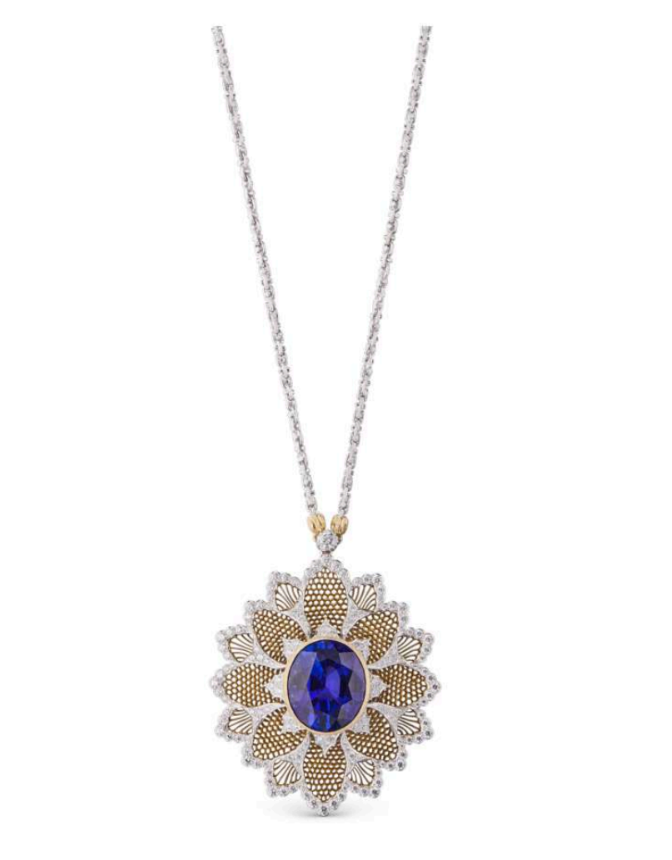
Every detail is then finished using engraving techniques the Maison has preserved since the Renaissance: tiny sculpted leaves rendered through the “modellato” technique, mirror-polished settings brought to life by the “colpi di lucido,” delicate touches of polish, and invisible details enriched by the fine “rigato” engraving, one of the house’s most emblematic signatures. The collection unfolds across necklaces, bracelets, earrings and even a tiara, all in white and yellow gold set with diamonds, each piece a fragment of the lagoon city rendered in light.
A Conversation Between Two Arts
Andrea Buccellati, the Maison’s honorary president and creative director, described Serenissima as a dialogue rather than a tribute. “With Serenissima, we wanted to capture the soul of Venice, its magic and its millennia-old history,” he said. “Each jewel is a fragment of this extraordinary city, a tribute to its light, to the art that has shaped entire eras, and to its incomparable power to enchant.” For him, the bond between Buccellati and Venice runs deeper than admiration: both are expressions of exceptional artisanship, from Murano’s glassmakers to Burano’s lacemakers, built on the same quiet, instantly recognizable idea of luxury, one that never needs to raise its voice to be understood.
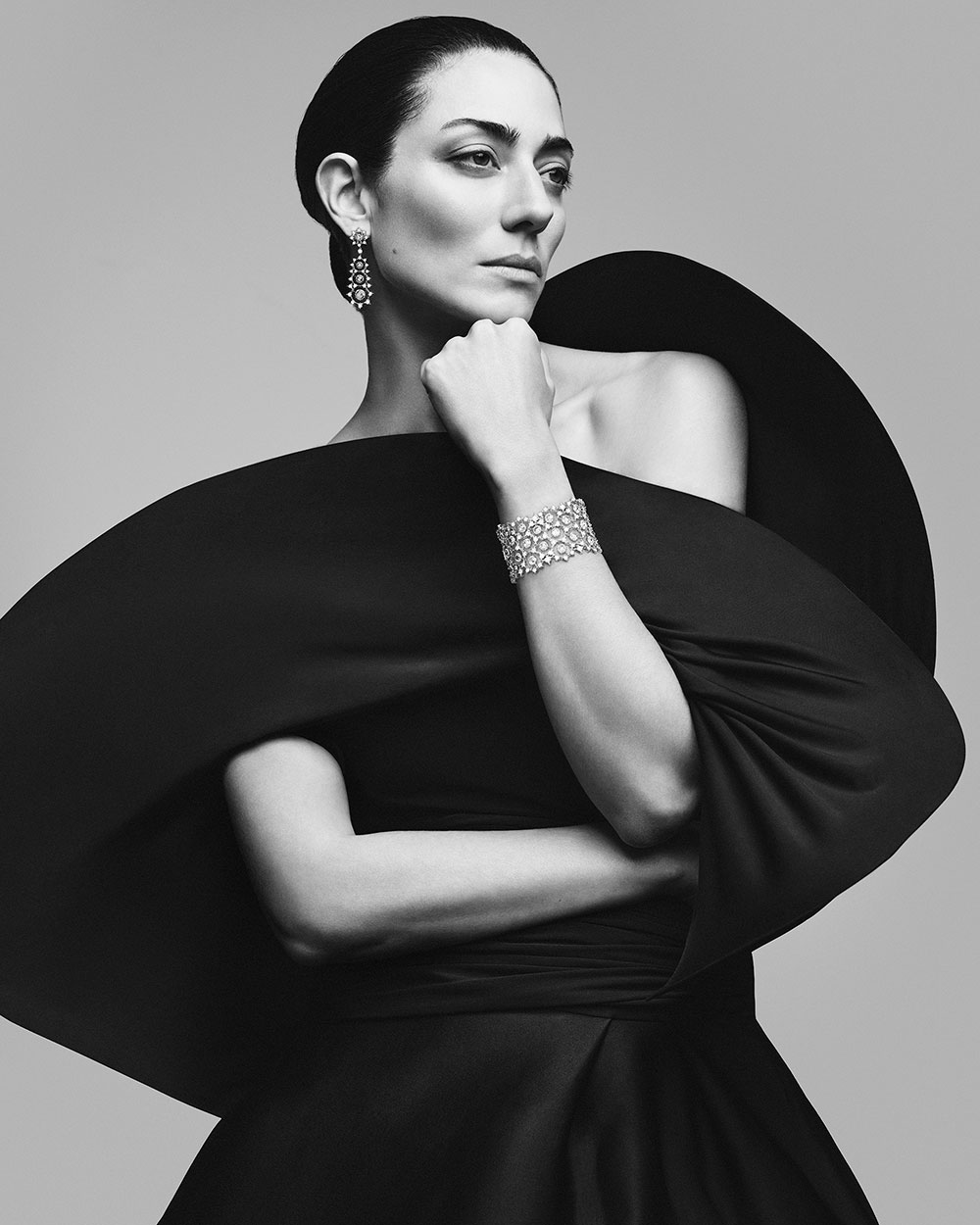
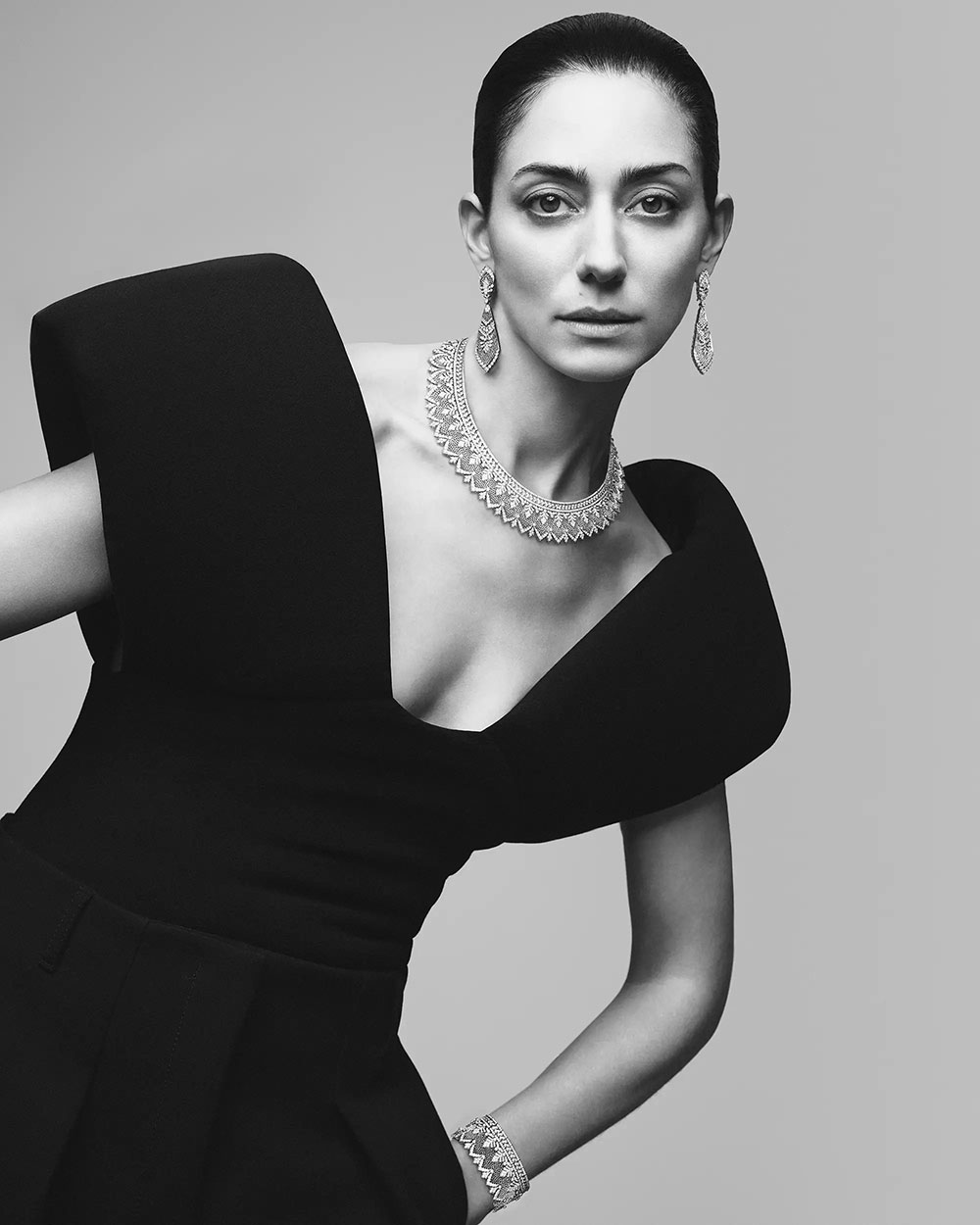
The collection’s advertising campaign, shot by renowned photographer Nathaniel Goldberg and starring Argentine designer and artist Conie Vallese, carries that same philosophy into its imagery: stark black and white studio portraits that let the transparency and flexibility of the jewels speak entirely for themselves.
A Needle, a Saw, and a Conversation I Won’t Forget
Statistics and press releases can describe a technique, but nothing quite prepares you for watching it happen in someone’s hands. At the presentation, I had the chance to sit down with one of Buccellati’s own artisans, who walked me through his work step by step: how he sketches the pattern directly onto the gold sheet, how he threads the fine wire of his hand saw before making the very first cut, how each opening must be pierced in a precise order so the metal does not warp or lose its tension along the way. He showed me how he polishes each contour by hand afterward, chasing that particular Buccellati glow that no machine has ever managed to replicate. Listening to him, it became impossible not to think of the lacemakers of Burano bent over their cushions, needle in hand, and to understand, finally and completely, why Buccellati insists this collection is not inspired by lace. It is lace, only forged in a different material.
The City That Never Stops Being Made
Serenissima closes its story exactly where it began: with the idea that Venice is not a place that was built once and simply preserved, but a place that continues to be made, stitch by stitch, cut by cut, by anyone willing to devote a lifetime to its beauty. Buccellati’s Maison has spent over a century doing precisely that with gold. In Serenissima, the two crafts finally meet in full: the needle and the saw, the lagoon and the goldsmith’s bench, a Republic that called itself Most Serene and a house that has never worked any other way.
Walking away from the presentation, one is left with a single, lingering thought: some cities never really let you leave. Venice, it seems, followed each of us home that day, wrapped quietly around a wrist.