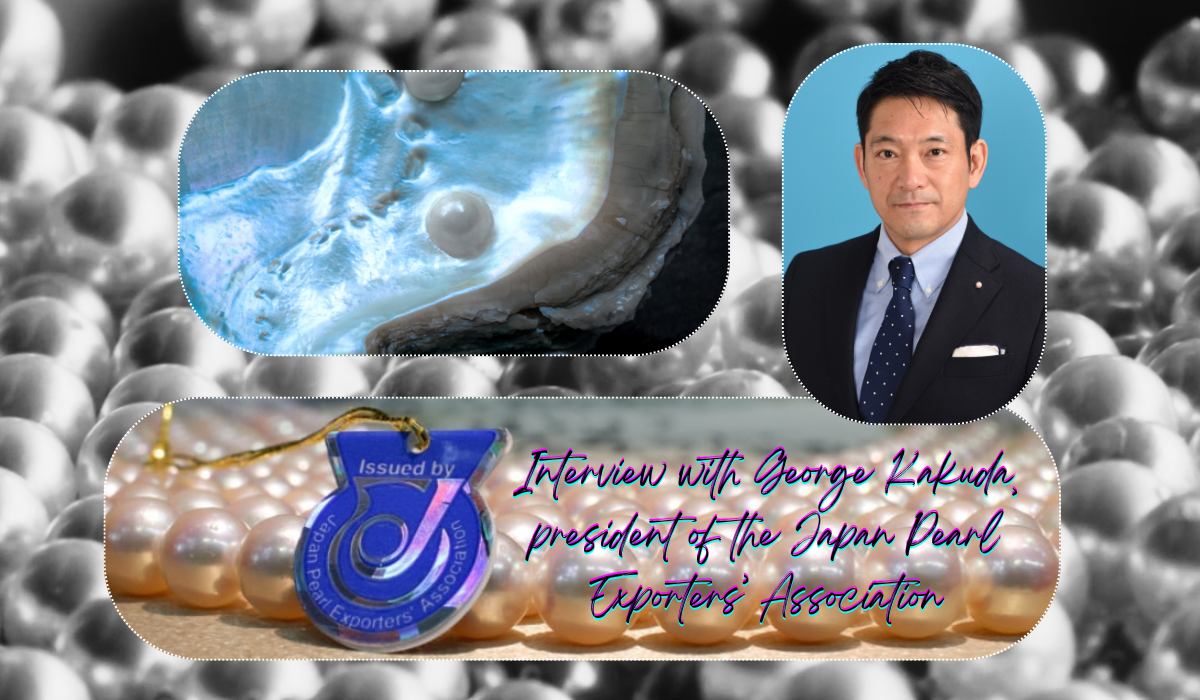
Exclusive conversation with George Kakuda, President of the Japan Pearl Exporters’ Association — the man who has spent a lifetime at the heart of an industry as rare, complex, and quietly breathtaking as the pearls it protects. From warming seas to record-breaking prices, from vanishing craftsmanship to the promise of a more sustainable luxury, George Kakuda speaks with rare frankness about the past, present, and future of Japanese Akoya pearls — the gem that no machine can make, no algorithm can replicate, and no market can fully tame.
You oversee an industry where the product is literally born from a living creature, shaped by the sea, over years of patient farming. Is there a moment -early in your career or recently -when a single pearl stopped you in your tracks?
The pearl I sometimes wear on my lapel is an 8.5mm pearl that my father picked over 50 years ago from our company’s harvest of 3 million pearls. It was a large Akoya pearl for its time, having been nurtured in the sea for three years. It’s so fresh and vibrant, almost wet, and it has a metallic sheen. It’s like a rabbit’s red eye. I could gaze at it for an hour.
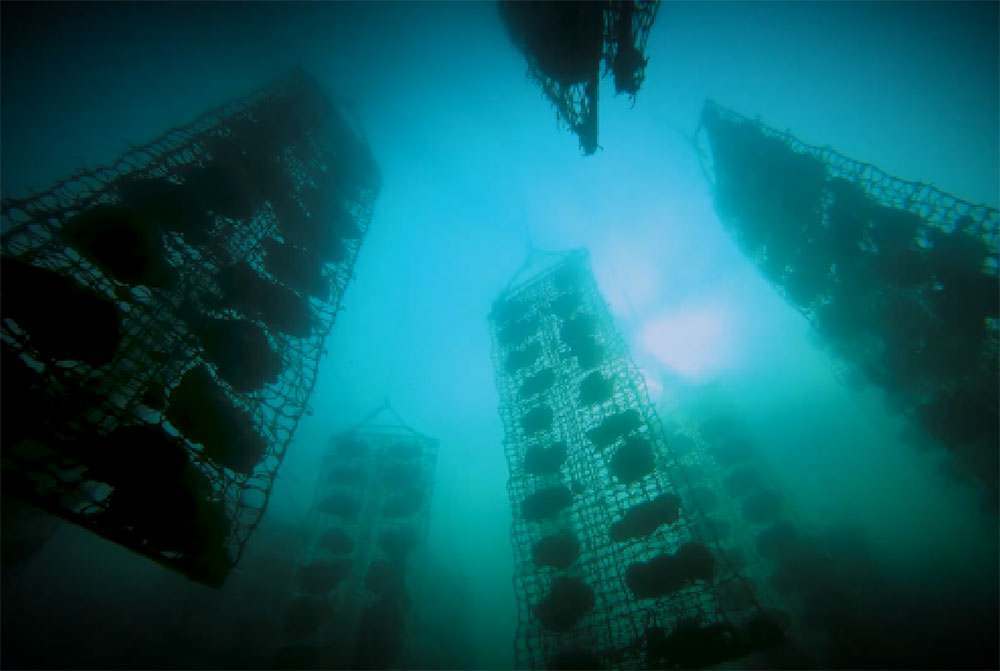
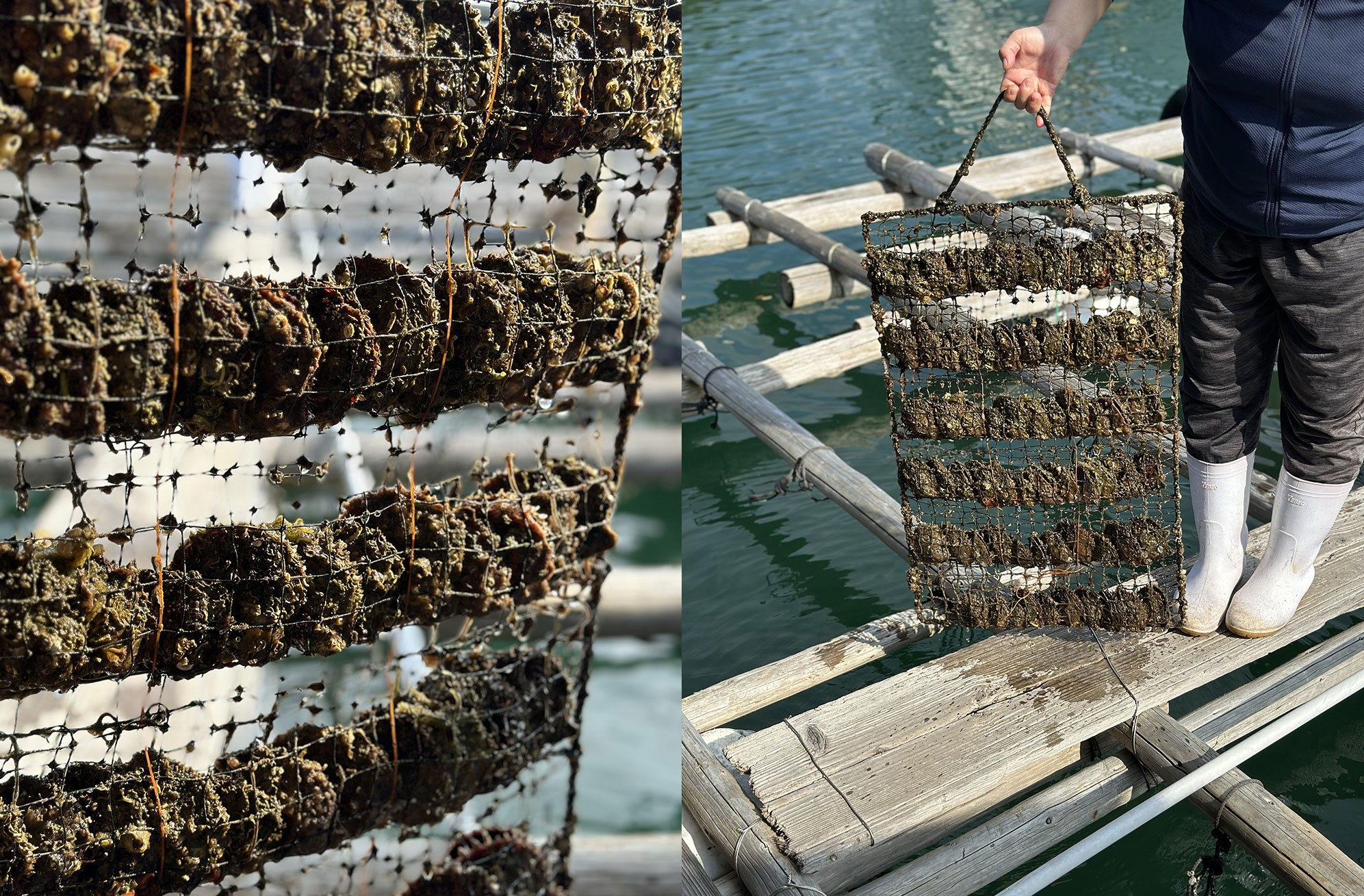
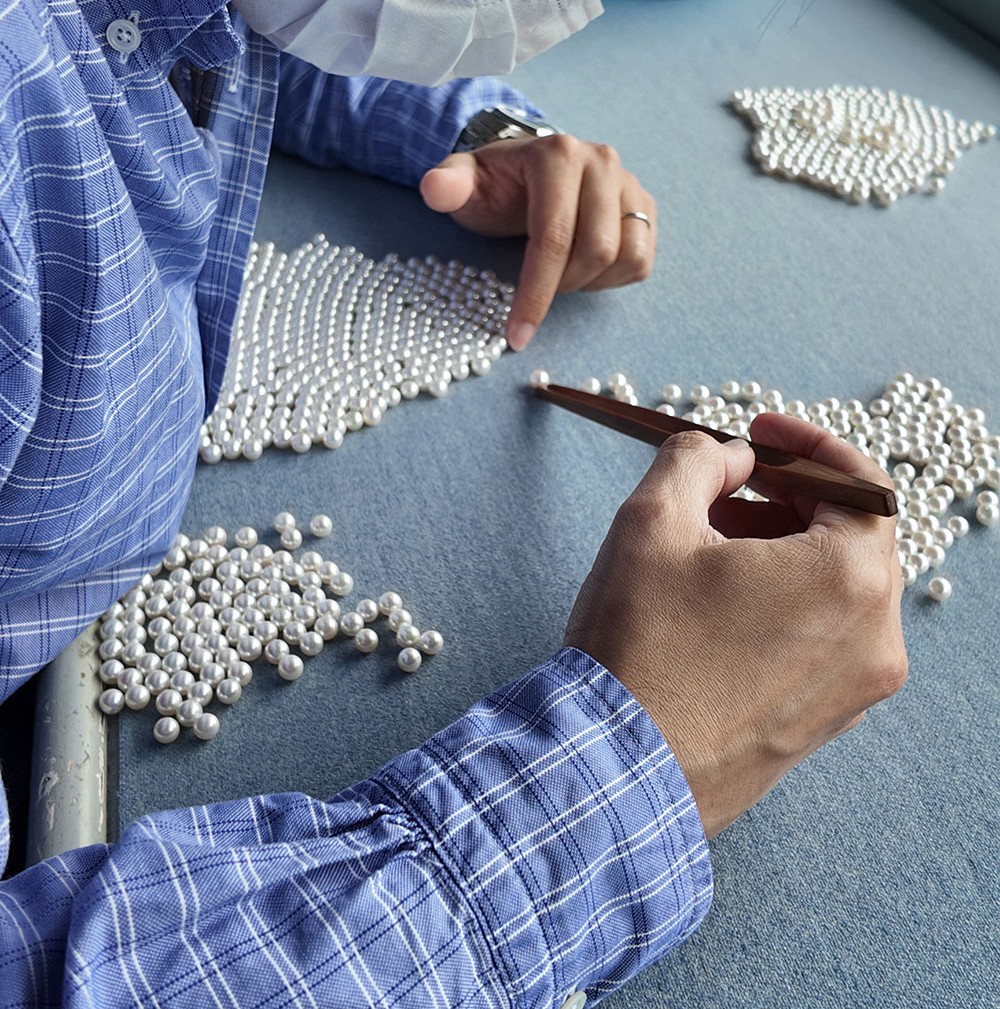
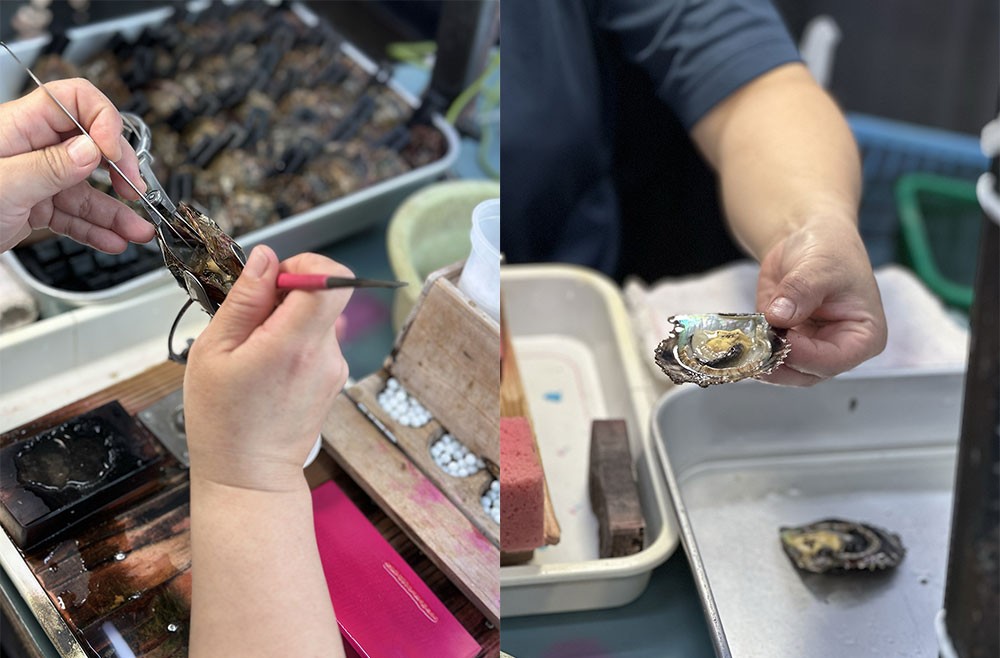
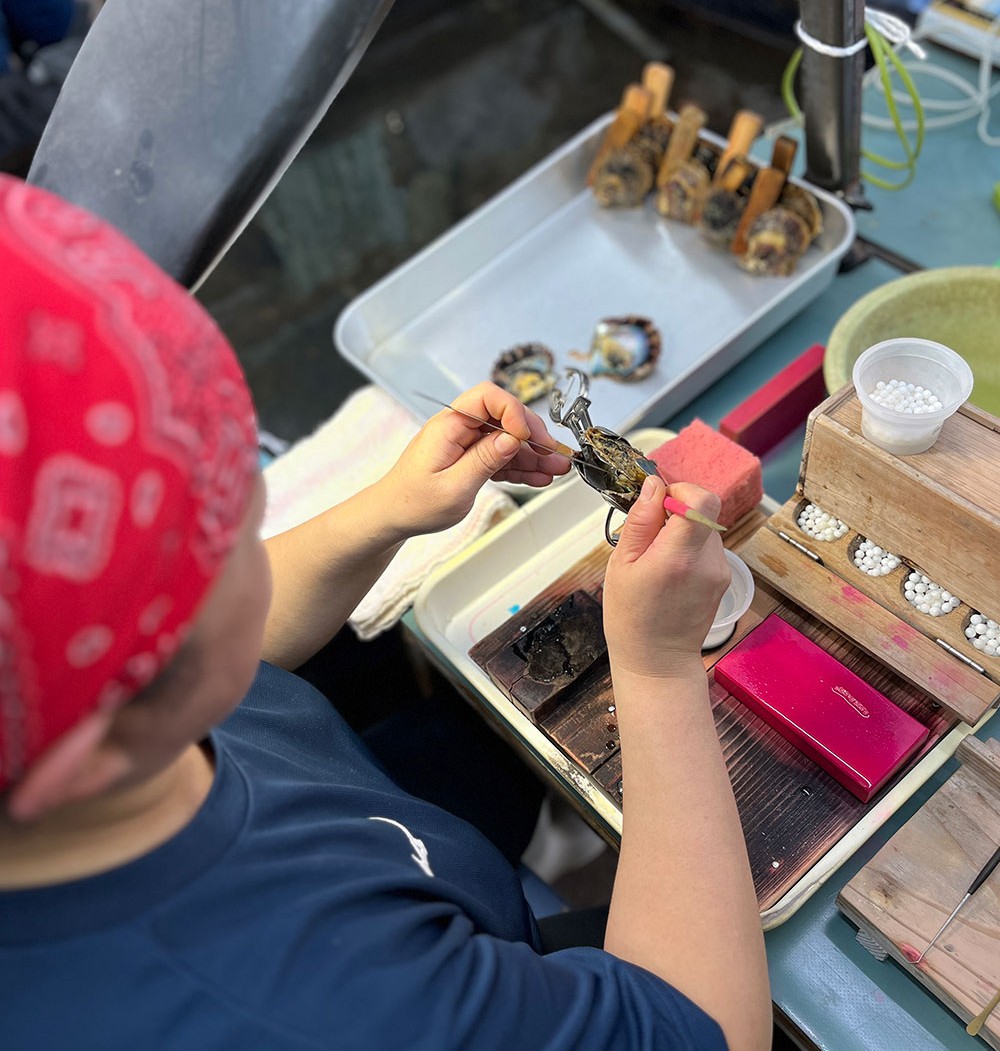
Pearl farming requires a “steady hand” and years of training -skills that cannot be automated. What does it feel like to represent an industry where the most valuable knowledge lives in people’s hands, not in any manual?
The reason manuals cannot be created is that handling differs completely depending on the origin of the oysters being handled and the environment in which they are cultivated. Pearl farmers cultivate pearls in different environments, not only by listening to the voices of the oysters they are raising, but also by communicating with the wind, tides, and sun.
Since 2019, mass oyster mortality events and warming seas have dramatically reduced supply. Candidly, how close did the industry come to a breaking point, and what saved it?
While prices for many things rose, the price of Akoya pearls somehow remained constant. In 2019, production decreased by about 30%, causing the unit price to rise sharply. While the rise in unit price was welcome for producers’ livelihoods, it was critical in terms of market diversity.
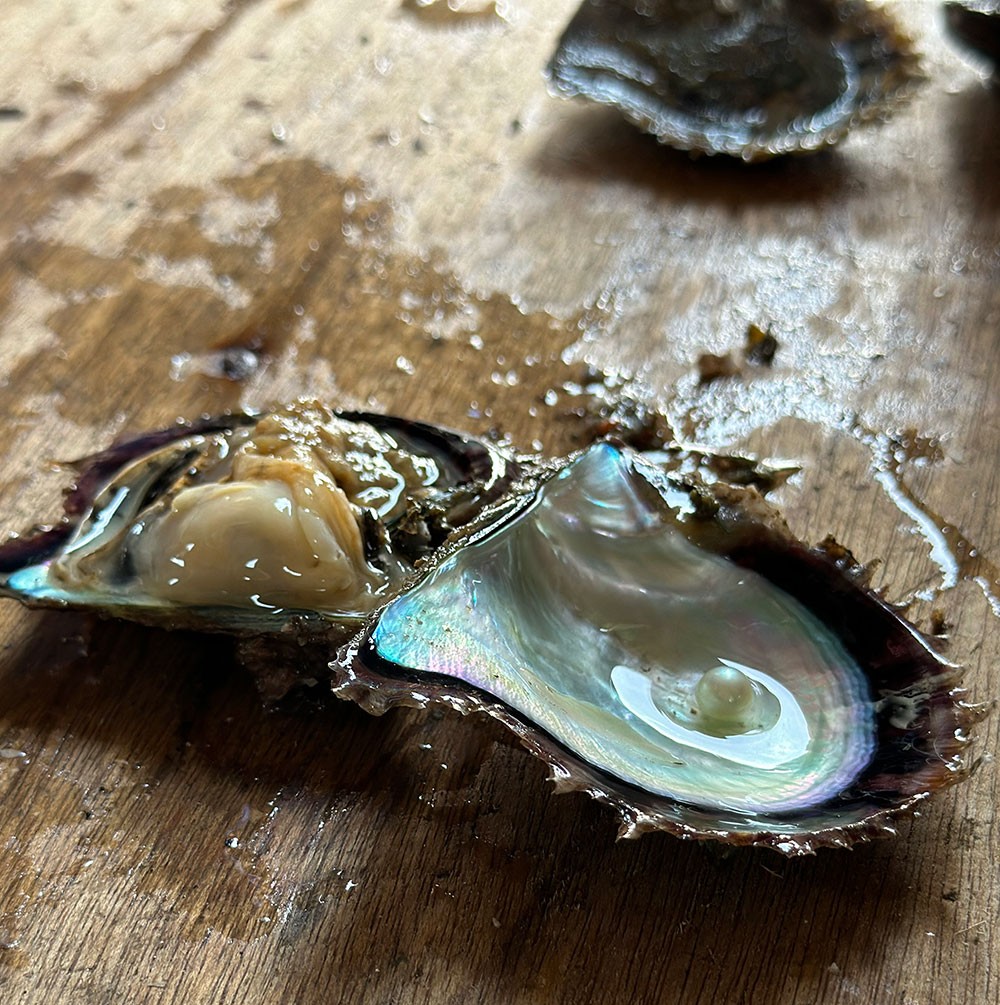
An oyster is essentially a living sensor for ocean health. When you look at the data coming back from your farming zones today, what does the sea tell you that a climate report never could?
While data can tell us about water temperature, dissolved oxygen levels, red tide occurrences, and chlorophyll levels, there’s so much more that data can’t tell us. There’s so much we can only learn by directly interacting with the oysters and their environment in the field. Sometimes, the condition of the oysters changes drastically without us knowing the reason.
Akoya pearl prices have, in some periods, outpaced gold. Yet gold can be mined on demand -a pearl cannot be rushed. How do you explain the value of something that requires nature’s cooperation to a world used to instant production?
Quantitatively, we cannot do anything about it, so we simply strive for stable production. Japanese pearl farming operates within the resilience of the environment. This means that humans do not control nature, but rather that humans are merely a part of this cycle. This is the value of Japanese pearl farming.
You position Akoya as “conscious luxury” -traceable, natural, non-synthetic. But luxury has always sold on desire, not ethics. Do you trust today’s consumer to actually care about provenance, or is that a beautiful story we tell ourselves?
There are top European brands that insist on whether these pearls are actually from Japan. The same is true for wholesalers. I believe this stems more from authenticity than from a brand’s ethics. I don’t feel that the voices questioning the environment, the people involved, and the process of how these pearls were produced are diminishing.
Scientists are now investigating whether pearl oyster farms could act as “blue carbon” assets -sequestering carbon at scale. If that is confirmed, does a pearl necklace become one of the most environmentally virtuous luxury purchases on the planet?
That’s a possibility. However, we must continue to work on how to increase the degree to which Japanese pearl farming is nature-positive.
China produces cultured Akoya pearls in large volumes. Japan produces fewer, but argues the quality is incomparable. How long can that quality argument hold -and what happens if it stops being enough?
China’s large-scale production is of freshwater pearls, not cultured Akoya pearls. Because China produces large quantities of freshwater pearls, a considerable number of beautiful pearls are bound to appear. What we are advocating is not just quality. It’s not just the pearls themselves, but the stories of the people and environment surrounding the pearls, including their processing. We believe the era when beauty alone was enough to sell is over. Furthermore, since the market is increasingly appreciating the differences between pearl varieties, we don’t see much competition.
Kobe has more pearl businesses per square kilometre than anywhere else on earth. What would be lost -not commercially, but culturally – if that concentration ever dissolved?
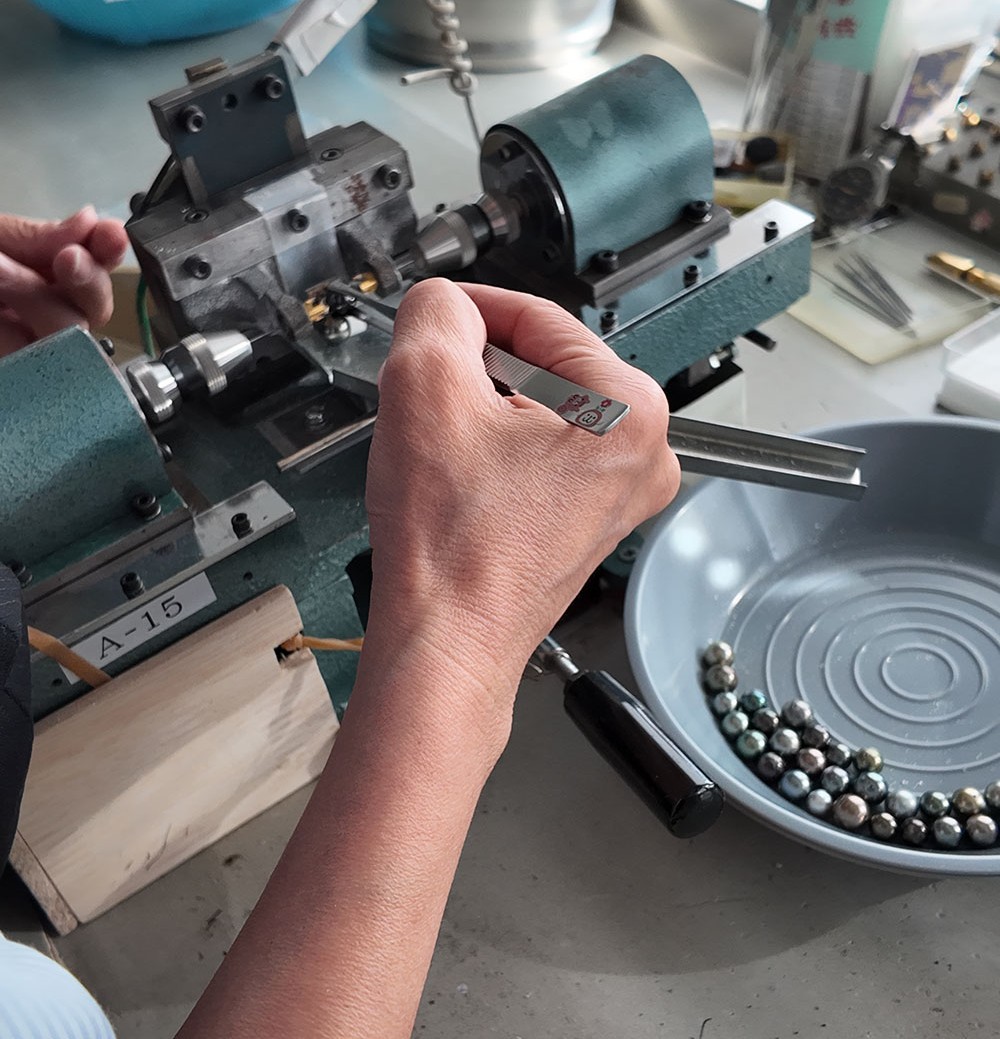
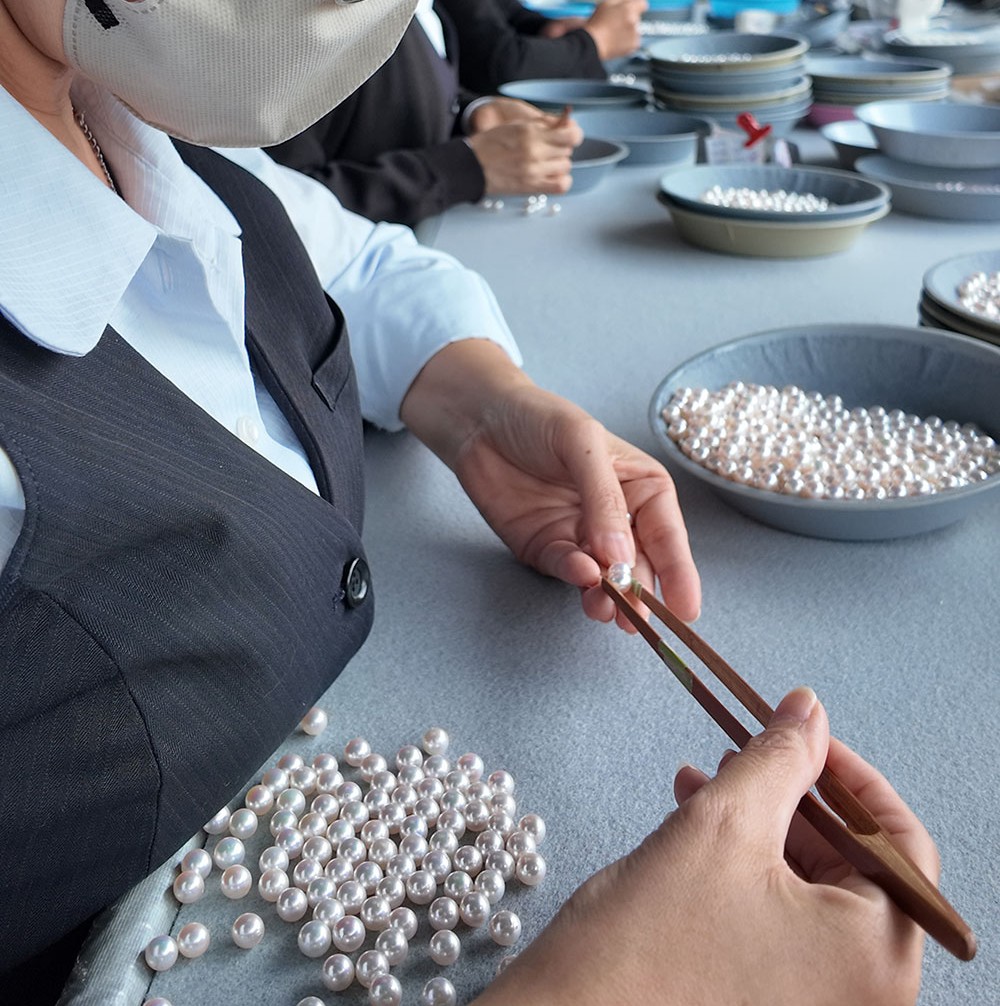
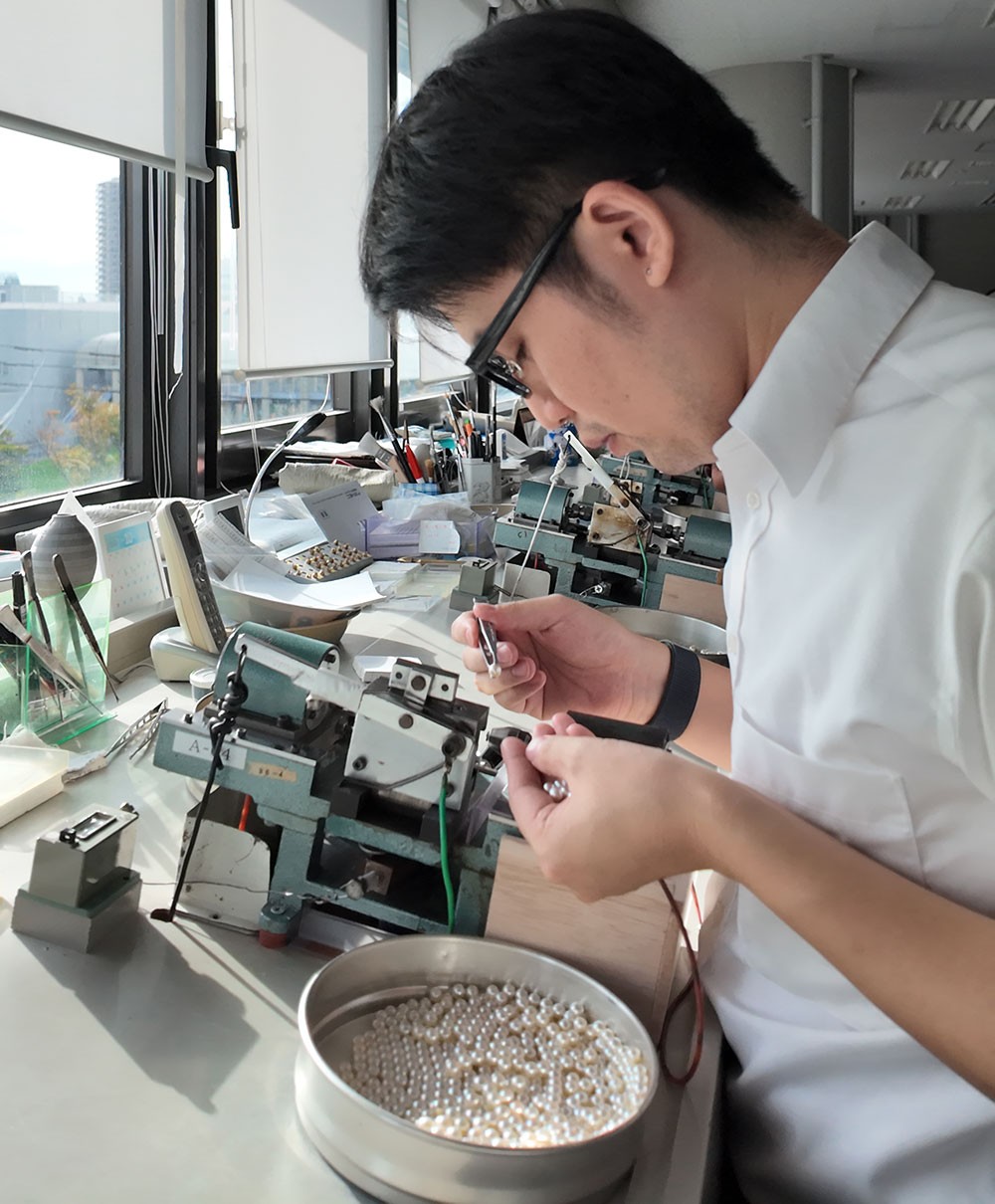
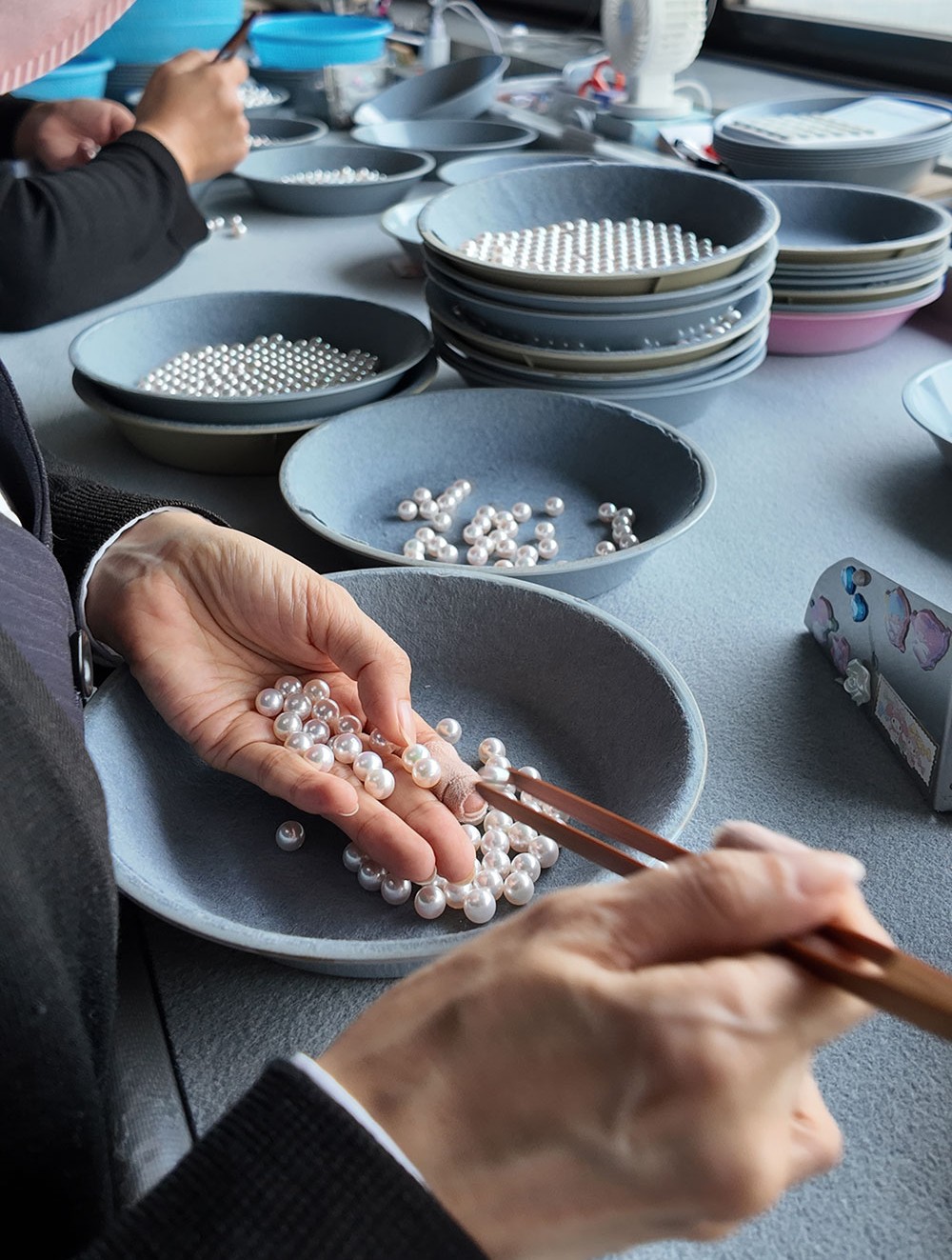
Walking up the slopes of Kitano in Kobe, you can hear the sound of pearls being sifted through metal sieves at pearl processing companies. This sound is usually heard from afar in March and April, after the harvest season. This, too, is a part of everyday life in Kobe, but it would be lost.
JPEA was founded in 1954 partly to fight fraud and unfair trade. Seventy years later- is fraud still a real problem, and what does a fake Akoya pearl look like to the untrained eye?
JPEA is the Japan Pearl Exporters’ Association. While fraud related to pearls has never been a major issue, they constantly monitor the situation to ensure safer purchases. How do fake pearls look to the untrained eye? If you don’t know what a beautiful pearl looks like, you might think the one in front of you is the most beautiful. Wouldn’t you mistake a superficially beautiful fake for the real thing?
The Japan Fisheries Agency has set a 2030 export target of ¥47.2 billion. That is an ambitious number for an industry facing structural decline in supply. What needs to go right -and what keeps you up at night?
At the production stage, the goal is 20 billion yen in production by 2030, which is within reach as it represents a 30% increase from current levels. Exports have already exceeded 40 billion yen in the most recent fiscal year. Exports include a wide variety of pearls imported from around the world and processed in Japan, not just those produced in Japanese waters.
If you could hand one pearl -the one that best represents everything this industry stands for – to someone who knew nothing about Japan or its seas, what would that pearl look like, and what story would you tell them as they held it?
It would be my pearl, as mentioned at the beginning. I would tell them about Japan’s 100-year-old cultured pearl industry and the circular economy that nurtures it.
The 8th Japan Pearl Fair takes place in Kobe from June 8 to 10, 2026 — the world’s only large-scale B2B pearl exhibition, bringing together over 100 Japanese producers and buyers from around the globe. Free admission with advance registration at: http://japan-pearlfair.com