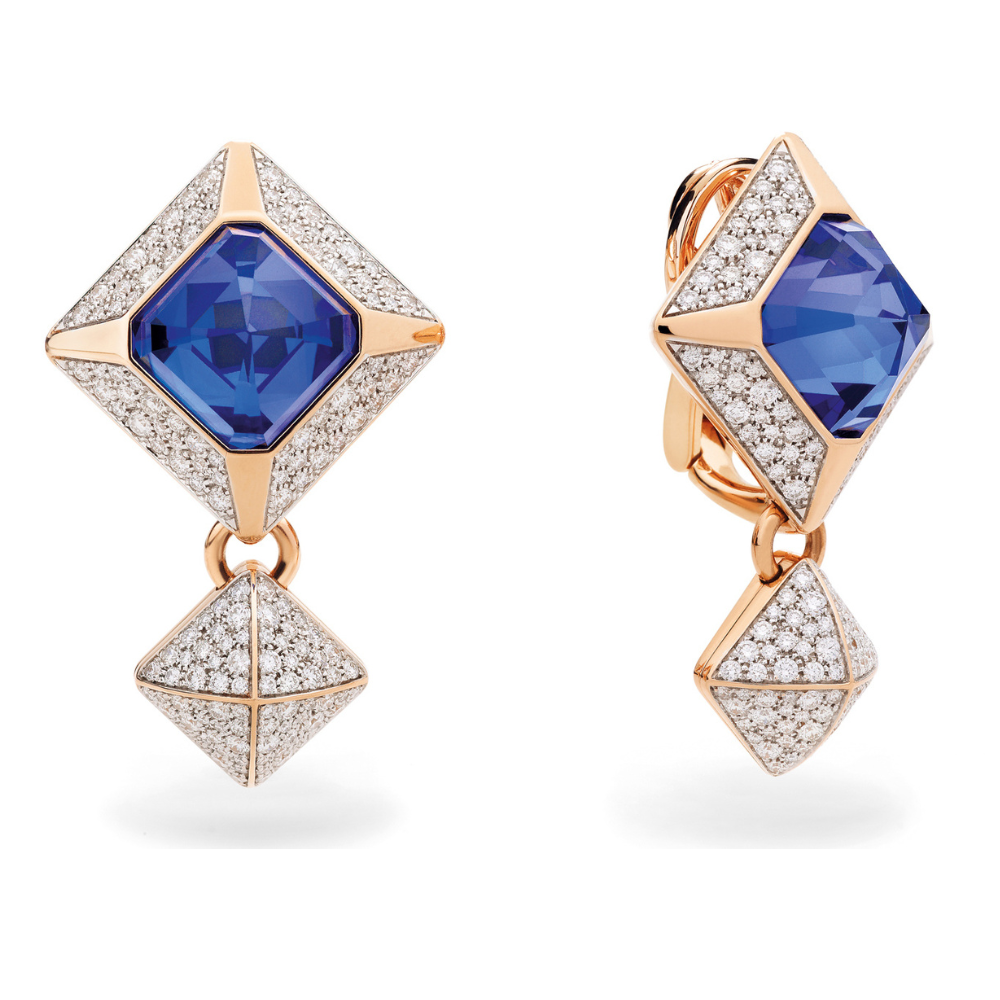
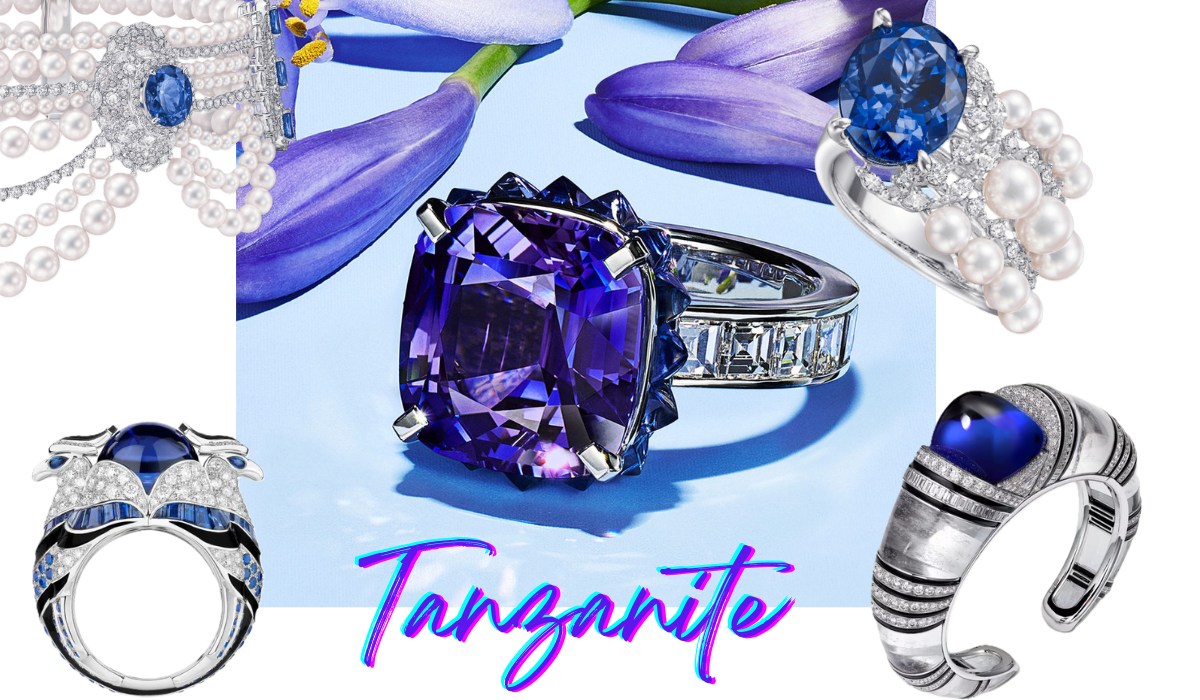
Few gemstones have captivated the modern jewelry world as powerfully as tanzanite. Unlike diamonds, sapphires, or emeralds—whose histories span millennia—tanzanite is a geological newcomer. Discovered in 1967 in northern Tanzania, this blue-violet gem rose from obscurity to global stardom in a matter of years, earning its place among the most coveted contemporary stones. Today, it is celebrated as the December birthstone and the official gem of the 24th anniversary, symbolizing transformation, rebirth, and the enduring beauty of change.
The story of tanzanite begins dramatically: in a remote area near Mount Kilimanjaro, local Maasai herders stumbled upon glittering crystals unlike anything seen before. Their vivid hues—ranging from deep sapphire blue to intense violet—immediately caught attention. When samples reached the hands of gem experts, the verdict was unanimous: this was a new and extraordinary variety of the mineral zoisite.
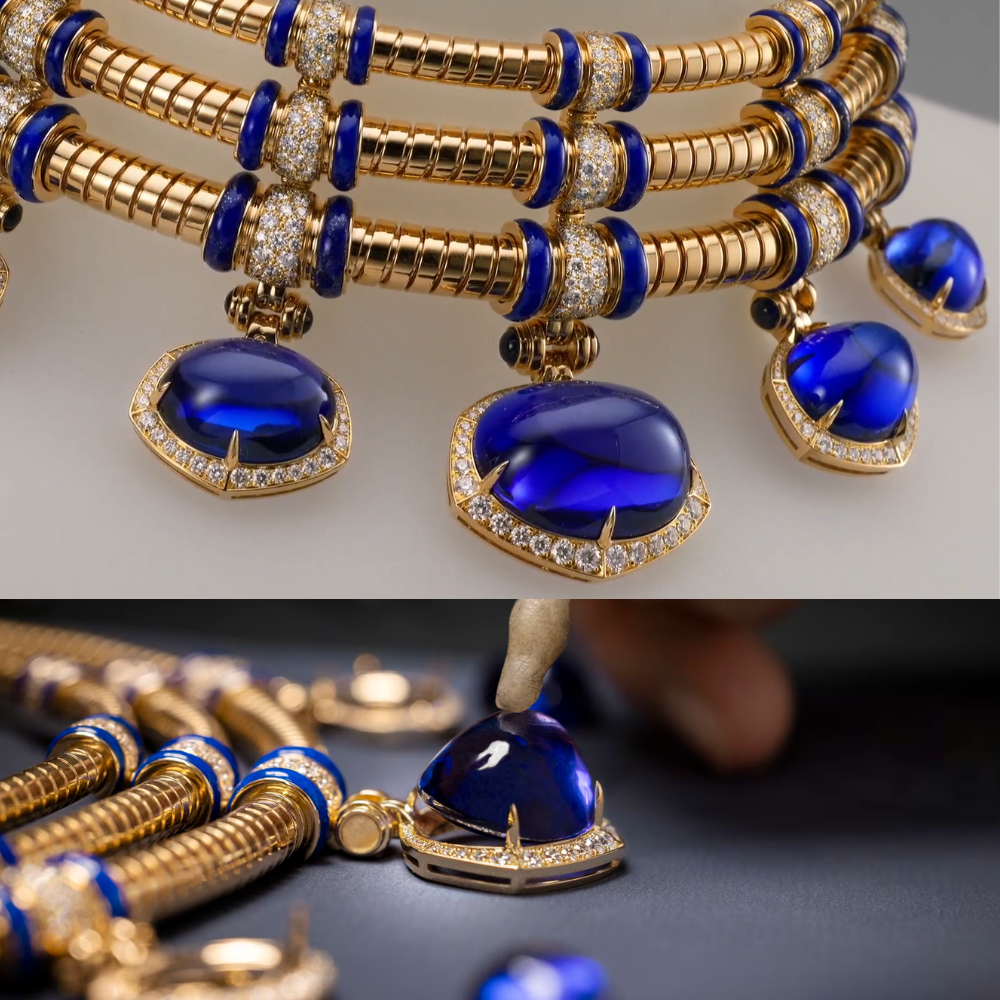
Recognizing its potential, Tiffany & Co. became the first major house to introduce tanzanite to the global market. Instead of promoting it as “blue zoisite”—a name that lacked elegance and could be confused with “suicide”—Tiffany named the gem Tanzanite, in honor of its unique birthplace. This strategic rebranding marked the beginning of one of the most successful gemstone launches of the 20th century.
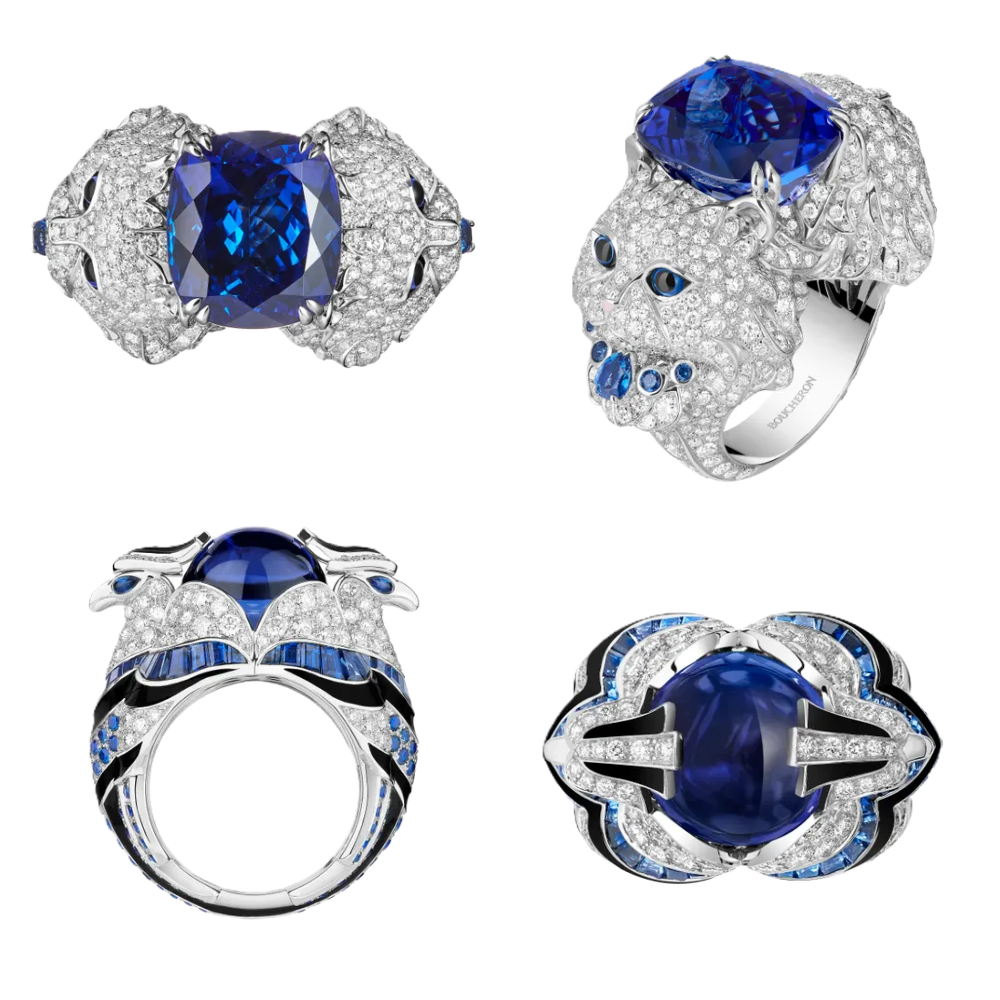
What makes tanzanite truly exceptional is its exclusivity. All known deposits lie within a tiny mining zone—approximately 4 by 7 kilometers—in Tanzania’s Merelani Hills. This extraordinary geological rarity has earned tanzanite the title of being 1,000 times rarer than diamonds.
Experts agree that when these deposits are eventually depleted, there will never be another source. Tanzanite is, quite literally, a once-in-a-lifetime gem.
Tanzanite’s beauty lies not just in its color, but in its ability to display multiple colors simultaneously. This phenomenon, known as pleochroism, allows the gem to shift from royal blue to violet to reddish-purple depending on the light and angle.

This optical dance makes every tanzanite gem unique—each a small universe of color. Its depth and complexity often lead jewelers to describe it as a gem with a soul.
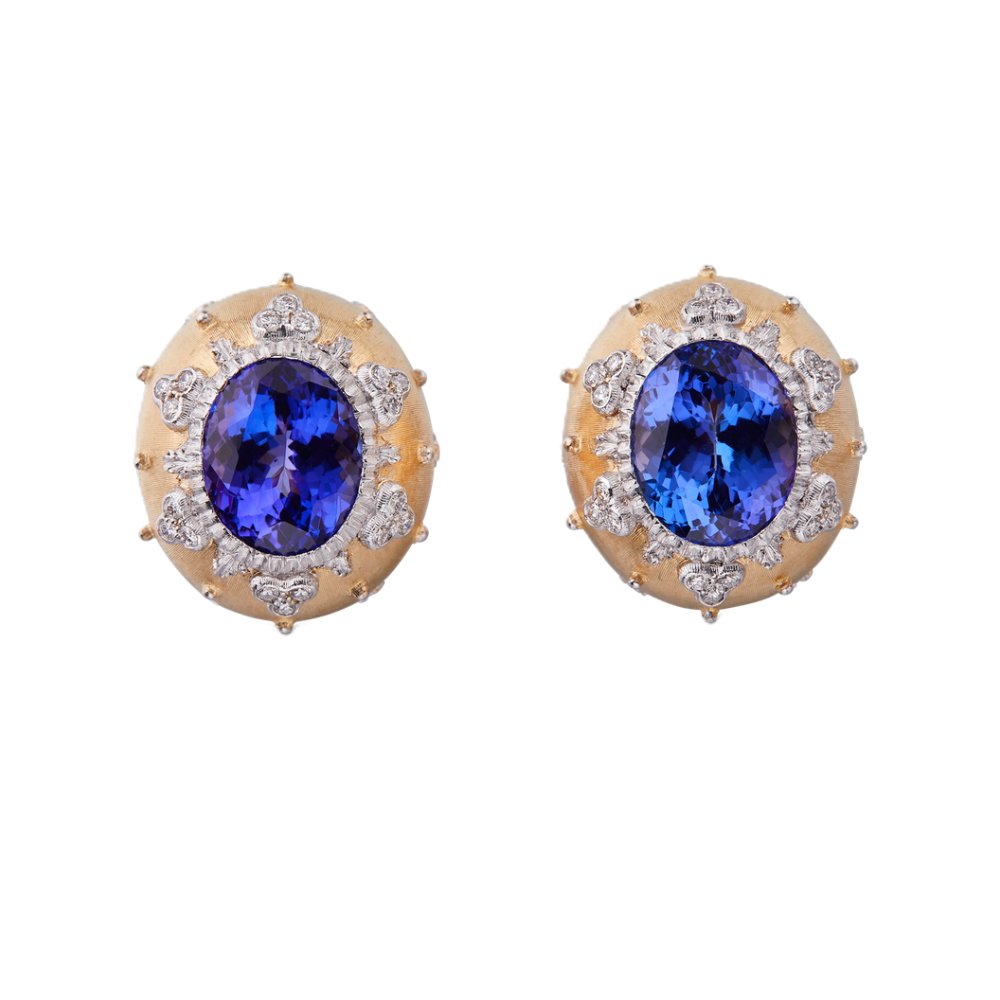
Tanzanite’s rapid ascent in the jewelry world is tied to its extraordinary qualities: rich color saturation, high natural clarity, and the potential for beautifully cut, large stones. Unlike sapphire, which often contains inclusions, tanzanite frequently appears crystal-clear. Its brilliance, paired with its exotic color, makes it a favorite for statement rings, pendants, and contemporary designs.
Its hues are also incredibly flattering on the skin, which adds to its universal appeal.
Its connection to December—a month of endings, introspection, and new beginnings—feels poetic. It is a gem for those navigating change, embracing growth, or stepping into a new chapter.
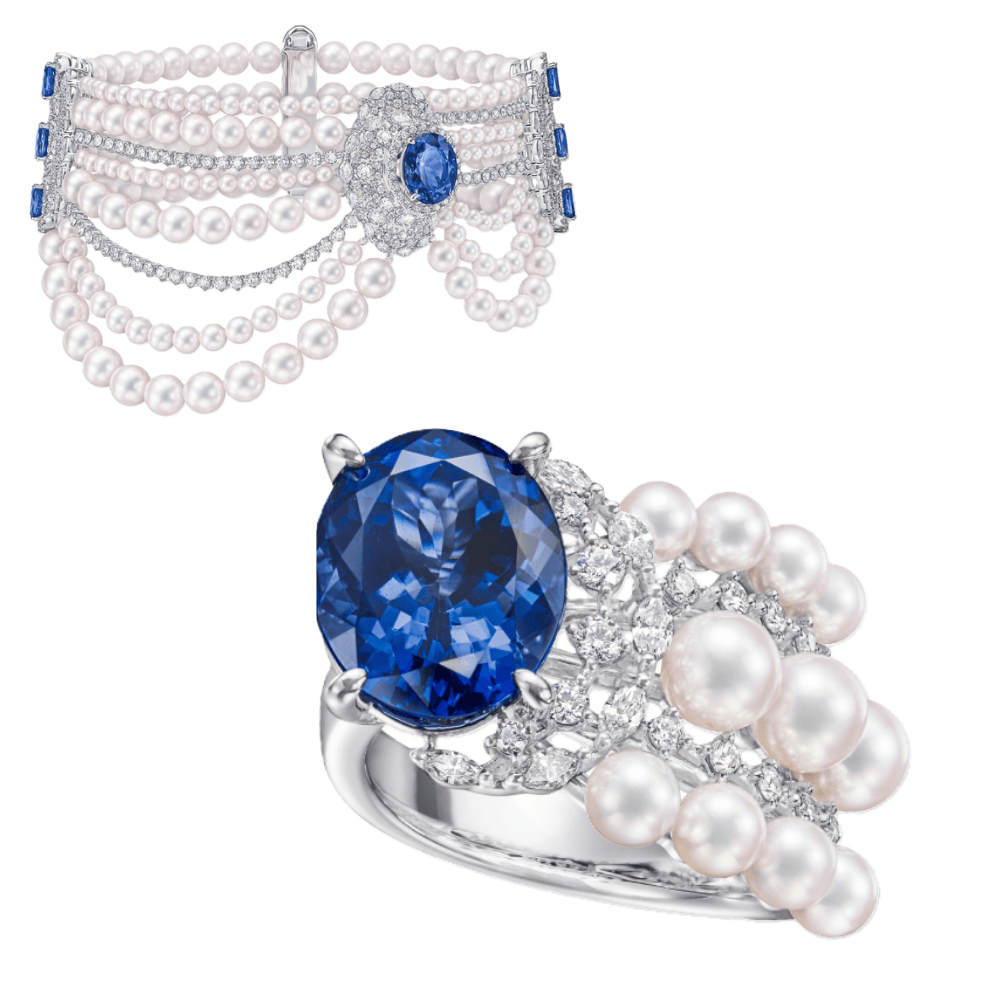
With a hardness of 6.5 to 7 on the Mohs scale, tanzanite requires mindful care. It is best worn in settings that protect the stone and should be kept away from sudden impacts or extreme temperature changes. With gentle attention, however, tanzanite retains its brilliance beautifully over time.
In just a few decades, tanzanite has accomplished what few gems ever achieve: it has become an icon. Whether worn for its beauty, its energy, or its rare origin, tanzanite represents the meeting of Earth’s mysteries and human emotion. It is a gemstone with a story—a blue-violet spark born from the heart of Tanzania, destined to enchant generations to come.