

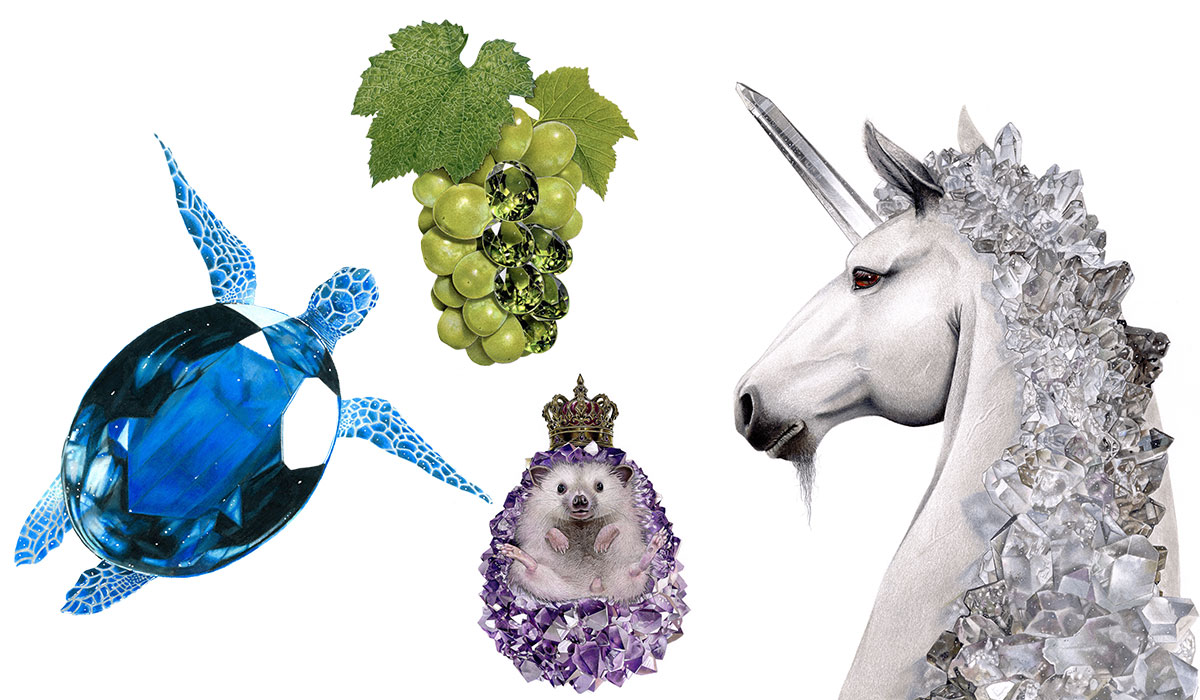
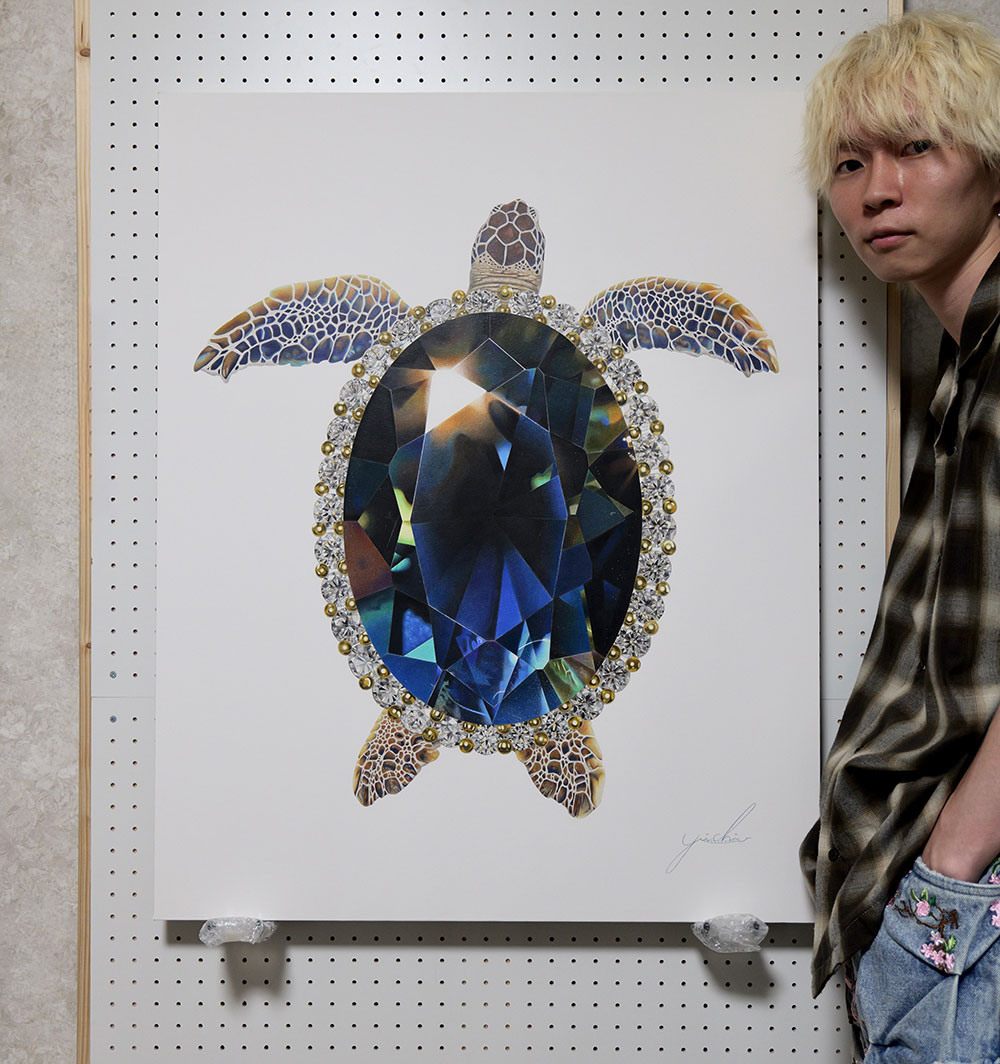
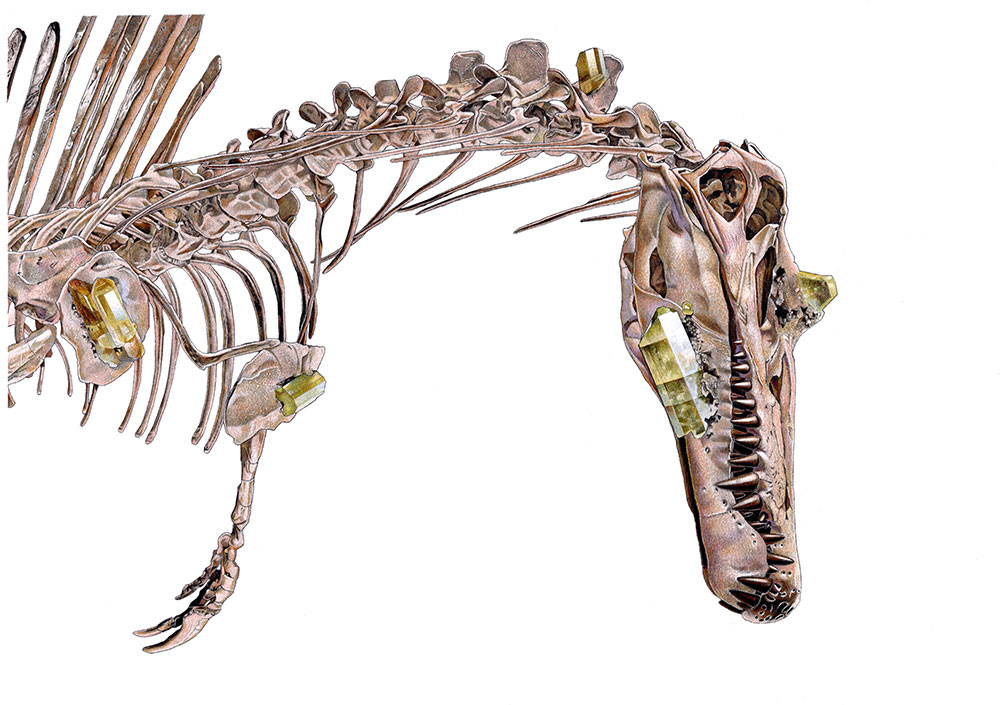
Last year at The Munich Show, I discovered the work of Yuichiro Abe and fell in love for his gem-covered creations: a hedgehog with amethyst spines, a sea turtle with a sapphire shell, even a lipstick, all drawn in colored pencil with astonishing precision. This year in Munich, I met the artist himself, the young Kyoto talent behind who turns everyday objects into miniature gemstone wonders. In this exclusive interview, discover the imagination and unexpected connections behind his fascinating world of Creatures × Gemstones.
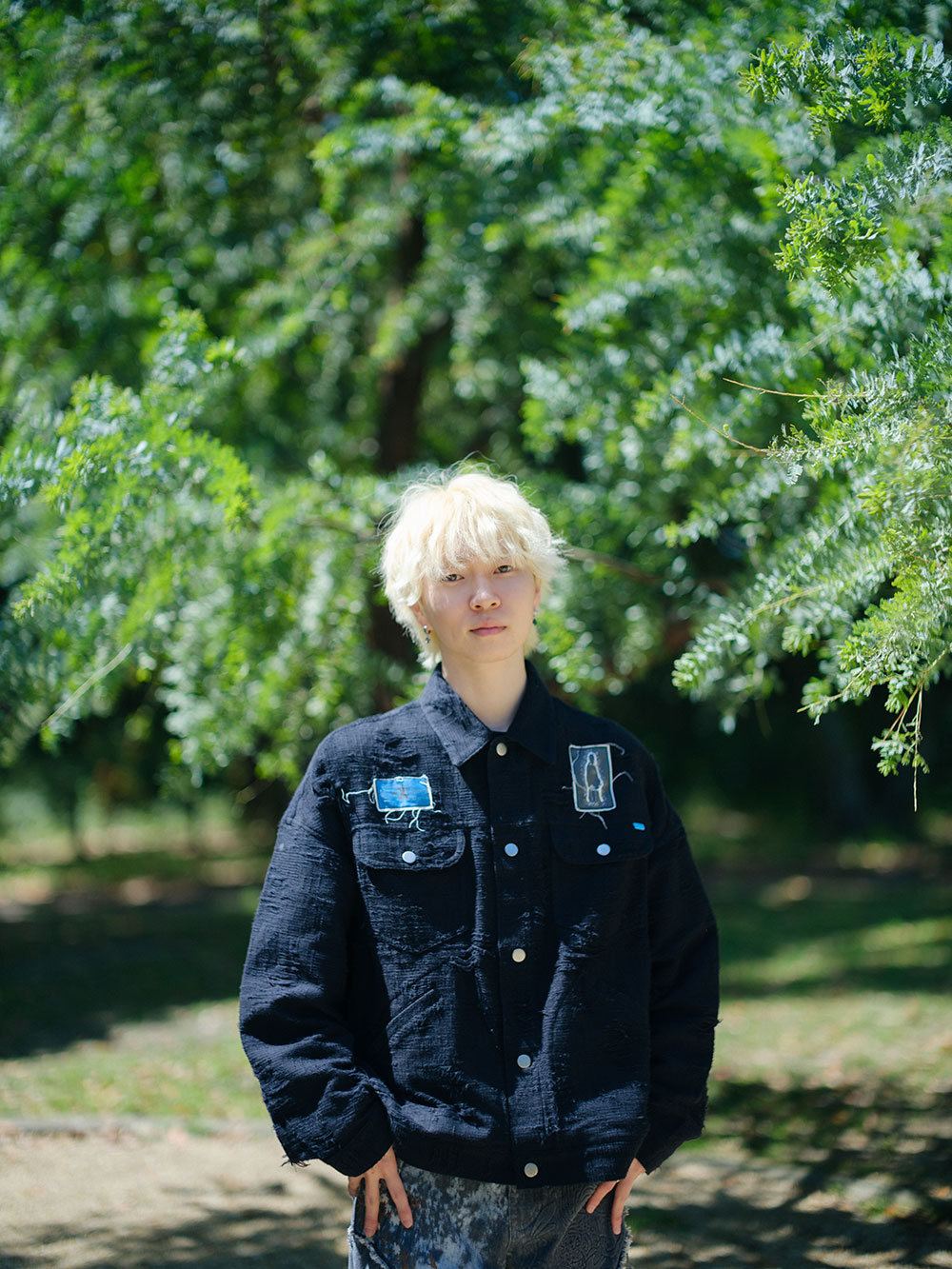
You started drawing because you wanted to become a makeup artist. How did colored pencils become your main language?
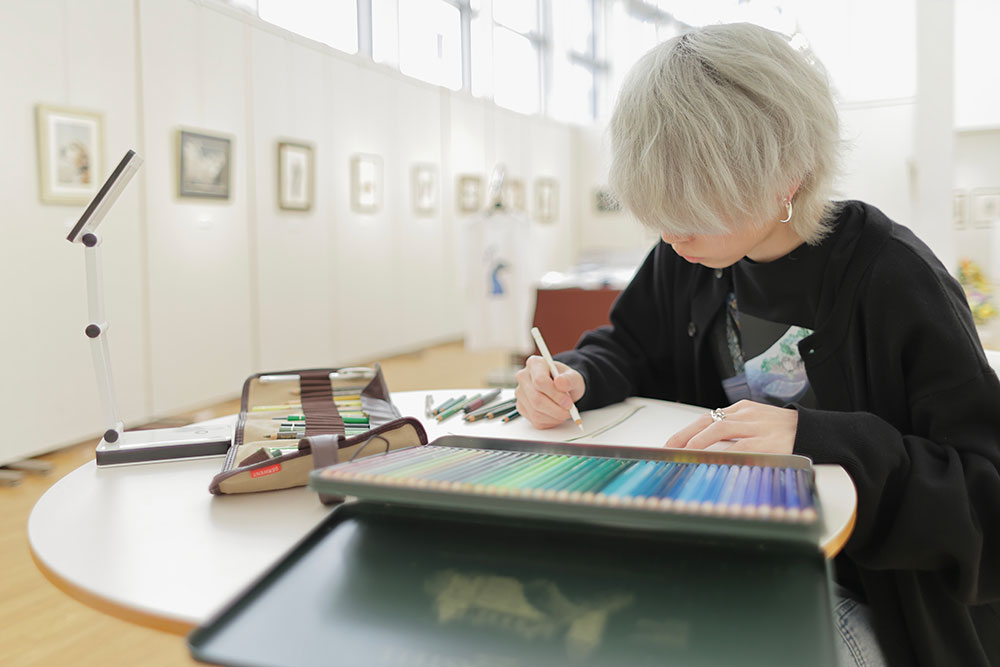
I didn’t originally choose colored pencils with the intention of becoming an artist. I wanted to become a makeup artist, and when I learned that the beauty school I hoped to attend had classes using colored pencils, I began practicing in preparation. My parents gave me a set of Faber-Castell colored pencils when I was in high school, and that was where it all began.
Since then, continuing to create my “Creatures × Gemstones” works has brought so many people into my life. It has even led to opportunities to exhibit at the Japanese booth at The Munich Show in Germany. Being able to bring drawings made with my favorite colored pencils to the country where that brand began feels like a remarkable connection—almost like fate.
Of course, I can work with other materials. But colored pencils are tied to all the time I have spent drawing and the relationships I have built along the way. As someone who draws “Creatures × Gemstones,” I feel that colored pencils themselves are my gemstones. Continuing to work with them is also a way of cherishing the person I have become through those experiences.
Your first viral drawing in 2018 was a gemstone. What did drawing gems teach you about light and transparency?
Drawing gemstones taught me the importance of observing light, rather than looking only at the stone itself.
I have developed an intuitive sense of how to make something appear luminous or transparent, although I cannot explain every part of that process in words. I closely observe actual stones and take my own reference photographs. When doing so, I pay attention not only to composition, but also to the direction of the light and the subtle colors it reveals.
However beautiful a gemstone may be, we cannot see its brilliance without light. Just as a spotlight can reveal a person’s previously unnoticed charm, light brings out different aspects of a gemstone’s beauty. Through observation and photography, I explore the different expressions a stone can have.
For me, drawing gemstones is also about discovering that beauty and finding a way to communicate it on paper. The more I draw, the more I learn.
How did you arrive at the creature × gem concept, and why was a sea turtle with a sapphire your first piece?
The starting point was wondering whether I could express the animals I was already drawing more beautifully in my own way. If I were to apply makeup to creatures living in nature, I wanted to use gemstones and minerals that also came from nature. That idea developed into “Creatures × Gemstones.”
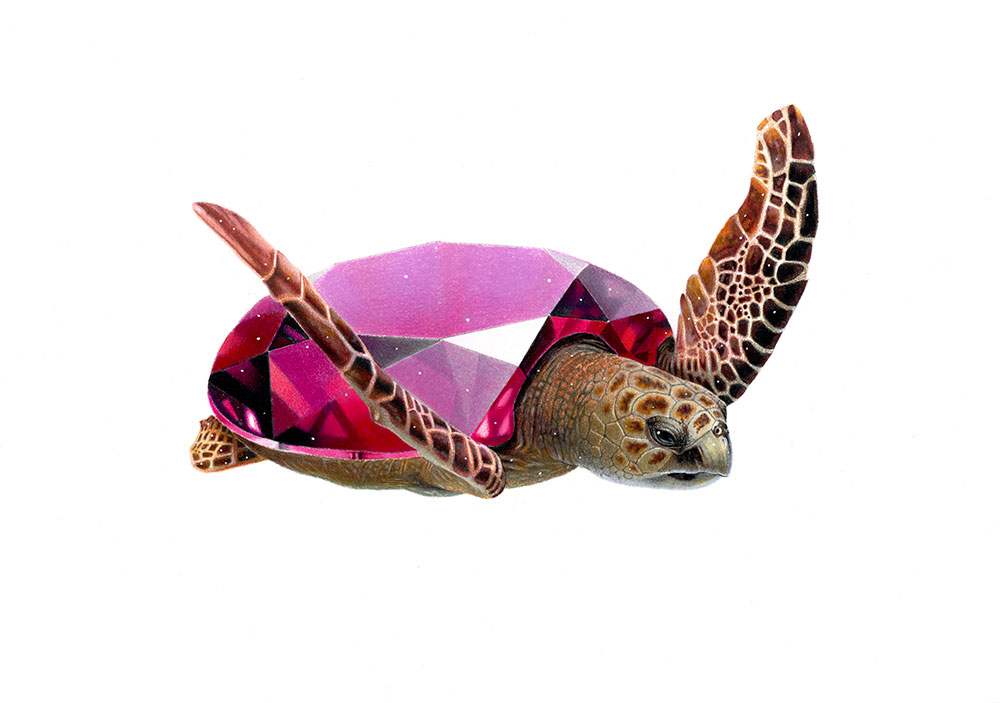
But my first “Green Sea Turtle × Sapphire” did not begin with every deeper meaning already in place. At the time, my knowledge of minerals and animals was still limited. It started with a visual thought: wouldn’t it be interesting if a sea turtle’s shell shone like a gemstone?
My reference was a sapphire ring that my grandmother had passed down to my mother. I was a student and couldn’t afford to buy gemstones myself, but I loved looking at that ring and drew from the actual stone. I also had the idea of pairing a green sea turtle with sapphire and a loggerhead sea turtle with ruby, since both gemstones are varieties of corundum. Later, I created “Loggerhead Sea Turtle × Ruby” as well.
I believe in nurturing an idea through drawing and research, rather than leaving it as a passing thought. The ideas and meanings in my work today have deepened as I have continued creating.
How do you decide which animal meets which stone? Does the gem’s color or character lead to the choice?
There isn’t just one starting point. Sometimes it is a similarity in color or shape; other times it is a connection involving seasons, birthstones, names, geographical origins, or chemical composition.
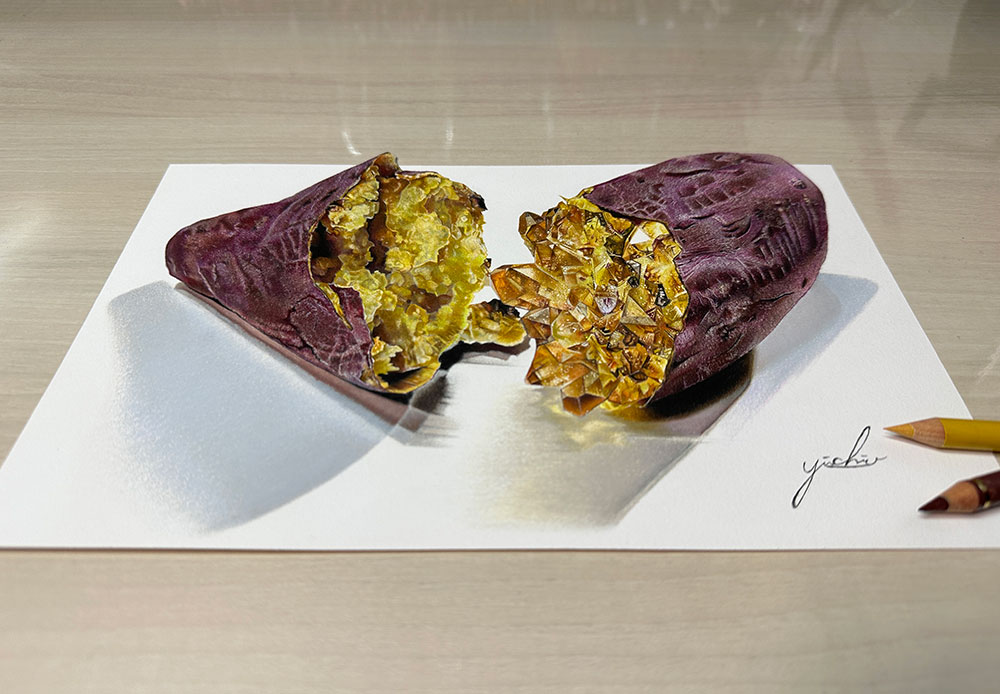
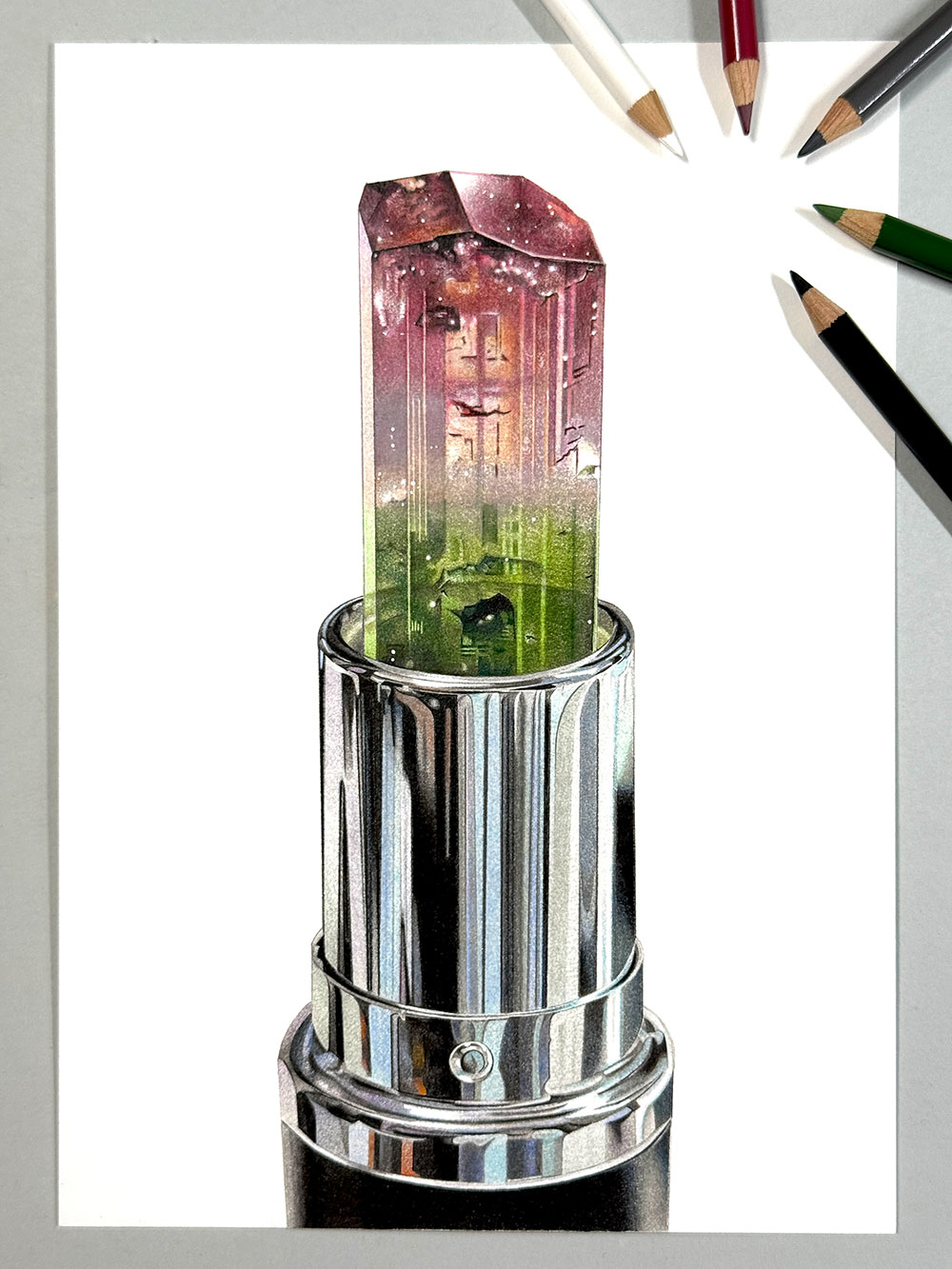
For example, I combined a tourmaline known as “lipstick tourmaline” with an actual lipstick form, taking its name as my starting point. In “Roasted Sweet Potato × Citrine,” I connected the heat treatment that can turn amethyst into citrine with the act of roasting a sweet potato.
Sometimes an idea begins with visual appeal, and research reveals another connection. I think not only about whether the colors work together, but also about what interest or meaning the combination can create.
How long does one artwork take, from the first sketch to the final highlight?
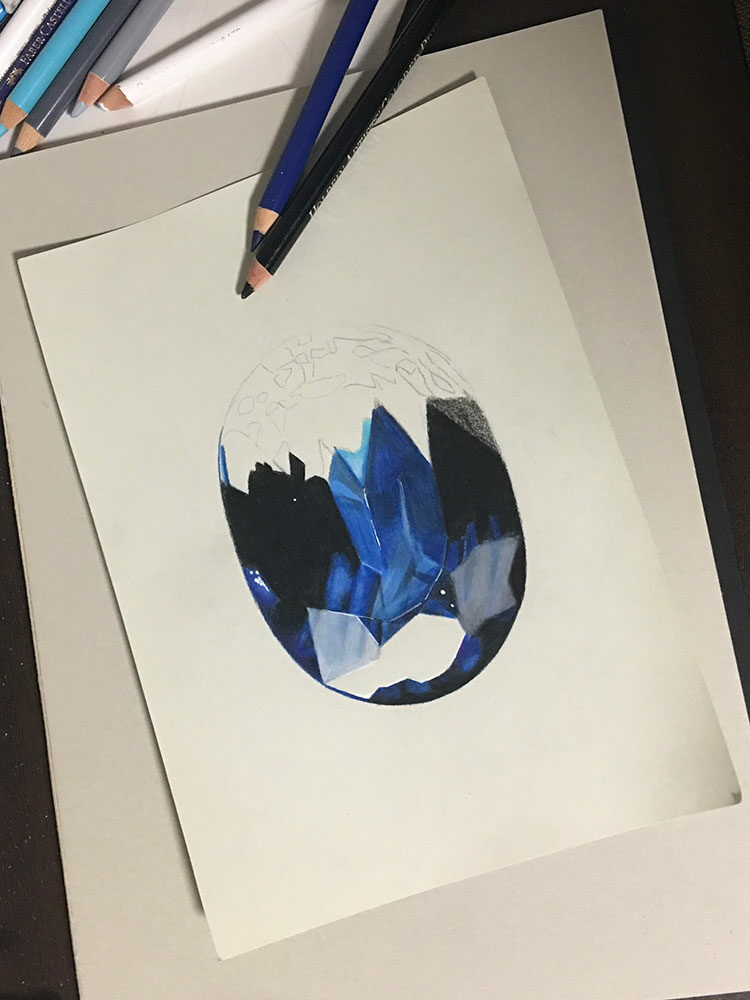
From the initial idea to completion, an A4 work, measuring 210 × 297 mm, usually takes around three weeks to a month. An A3 work, measuring 297 × 420 mm, takes about one to two months. A recent large-scale work in the Japanese F30 format took five months.
Even at the same size, the time varies depending on the intricacy of the subject. There is no fixed schedule for every piece, but each one takes considerable time to complete.
You often say you “apply makeup” to your creatures. What does that mean in practice on paper?
For me, “applying makeup” to a creature does not mean giving an animal the same cosmetics a person would wear. It means using gemstones and minerals born from nature to express the beauty of another living part of nature.
However, I don’t restrict myself to rough stones. I also incorporate cut, loose gemstones. The stone itself comes from nature, but its cut involves human hands. There is human expression in that process, just as there is in my act of drawing.
In that sense, I also see cut gemstones as beautiful makeup tools shaped by people.
What is the hardest thing to render with a colored pencil: fur, scales, or the sparkle of a gem?
Actually, I don’t find any one of those particularly difficult compared with the others. More intricate subjects take longer, but I can work toward the result patiently. That said, finding a way to bring out the visual appeal of a mineral without obvious sparkle can be challenging.
The most difficult part for me is developing the idea. Depending on how they are combined, a creature and a gemstone can look painful rather than beautiful. What I combine, where I place it, and how I merge the two make a huge difference to the impression of the work.
The longer I continue, the more often I find that I have already drawn a combination that comes to mind. For me, the hardest part is going from zero to one. Once that first idea is there, I can devote the time needed to develop it into a finished work.
You have worked with museums and jewelry companies. What surprised you most when you entered the world of gems and jewelry?
What surprised me was how many different ways there are to value a single stone. Researchers, people working with jewelry, and collectors each notice and cherish different things. Even when they are discussing the same gemstone, it can feel as though they are showing me different worlds.
I am also inspired by the passion of specialists and collectors. I began researching stones because I wanted to draw them, but the more I interact with people who know them deeply, the more I discover qualities I had not noticed before.
Kyocera’s Crescent Vert gemstones have also made a strong impression on me. I was drawn to the science and passion behind growing crystals through human technology in pursuit of beautiful gemstone colors. I was delighted to see them in person, and I feel a connection to the fact that this technology exists in Kyoto, where I was born and raised.
I am also surprised that my drawings have become a point of connection with people in the gemstone world. What began as a subject for drawing practice has led to work with museums and companies, and even exhibitions abroad. I’m happy not only to learn about stones, but also to participate in that world through my own artistic expression.
If one of your creatures became a real piece of jewelry, which one would it be, and how would you imagine it worn?
I would choose “Hedgehog × Amethyst.” In that work, I merged the hedgehog’s spines with amethyst crystals, and I would love to express that fusion using actual gemstones.
There is already a great deal of jewelry inspired by living creatures. If my work were to become jewelry, I would want to translate the way I have fused the subjects in my drawings, rather than simply decorate an animal with gemstones. I would be happy if the particular cuteness, boldness, and charm of the drawing could carry through into the jewelry.
As a reference, I think of the Pikachu pendant from the Tiffany & Arsham Studio & Pokémon collaboration: something that allows you to wear an artwork’s world in three-dimensional form. For my piece, I imagine a brooch worn on the chest, preserving the distinctive shape of the hedgehog and its crystals.
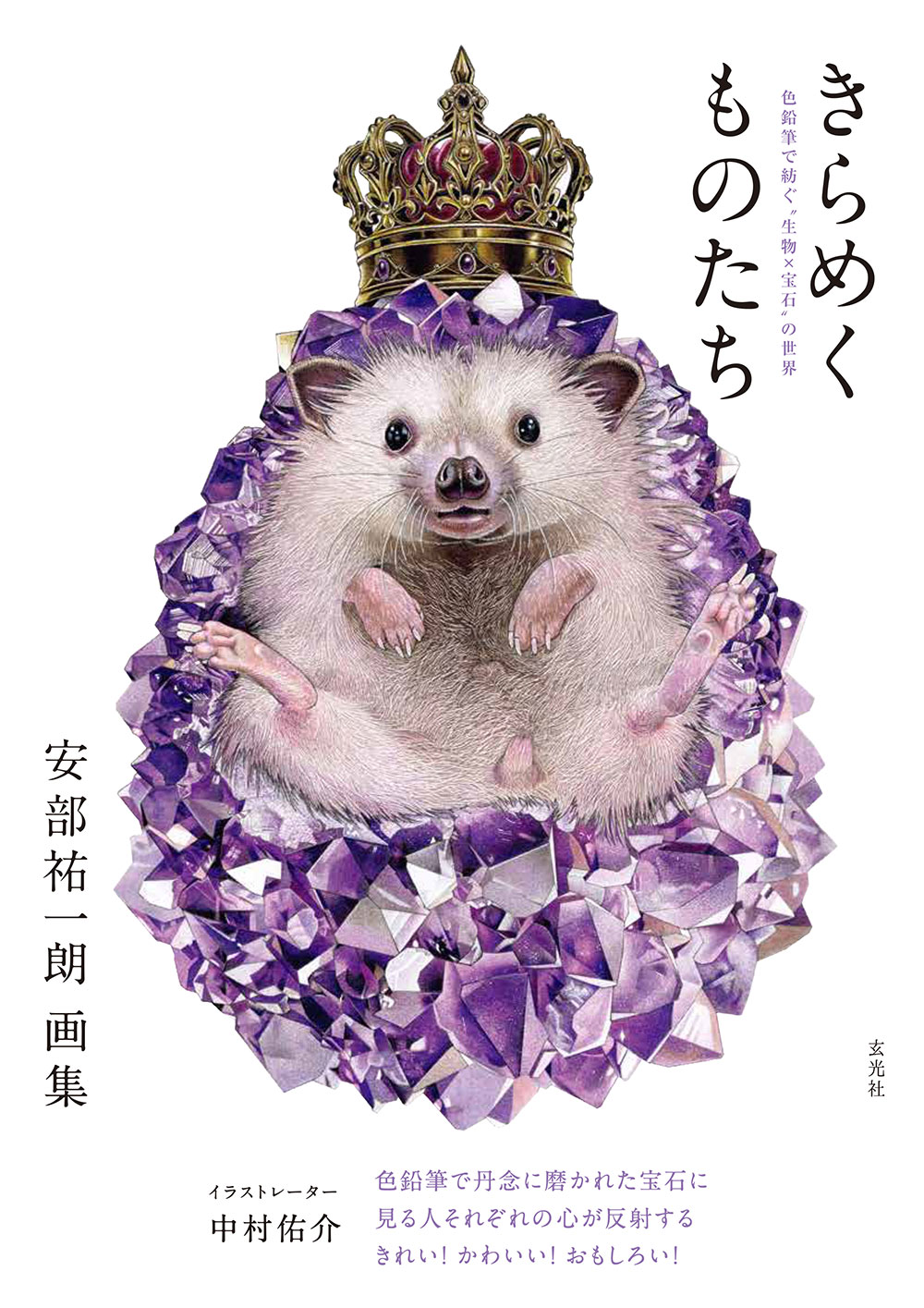
Your first art book and the Ginza Mitsukoshi exhibition are coming soon. What do you hope visitors will feel when they see your work in person?
Above all, I hope people will enjoy the work in their own way. They might find it beautiful, cute, or mysterious—any starting point is welcome. They don’t have to interpret it in exactly the way I intended.
People often see my drawings on social media, so at the exhibition I hope they will enjoy the originals: coming close to look at the fine fur and gemstone colors, then stepping back to take in the whole piece. I would also be happy if the drawings sparked curiosity about the living creatures and minerals behind them—“What is this animal?” or “Does this gemstone really exist?” After all, I came to love gemstones by researching them in order to draw them.
When I looked back through my work for the book, I remembered how I felt, how I was living, and the people I met when I made each piece. Each drawing holds something of who I was at that time. I hope readers will enjoy spending time with those works in the book and finding a personal favorite.
Neither the publication nor the exhibition would have been possible on my own. I hope they will be opportunities to share my work with those who have supported me, and to meet people discovering it for the first time. For me, they are also a new starting point from which to keep drawing.

